The True Cost of a Free Apartment Clean in New York
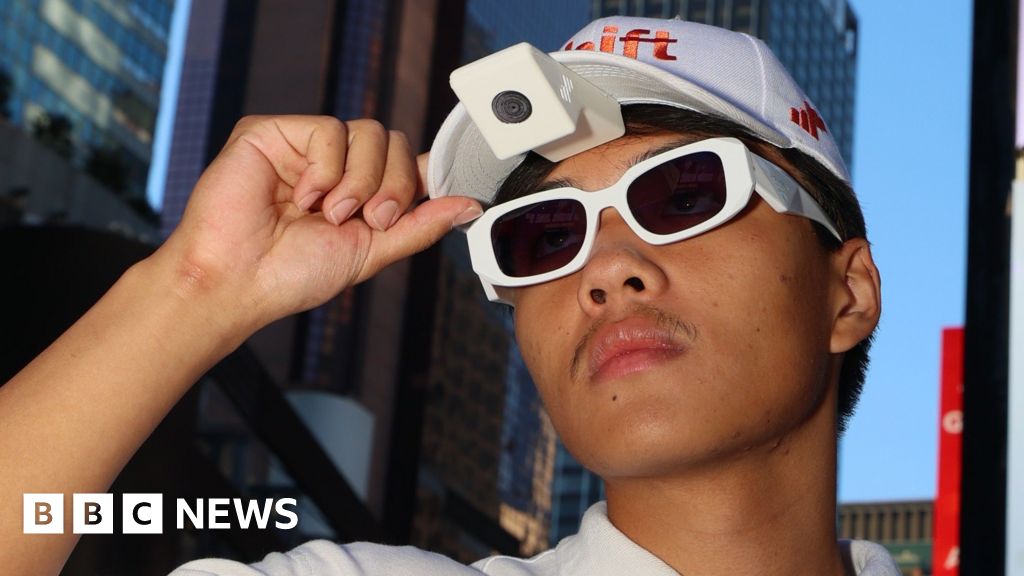
A New York startup named Micro AGI is providing free apartment cleaning under its Shift project, but clients must allow workers to record their homes. The cleaners wear cap-mounted cameras that collect video data to train autonomous domestic robots. The company's founder, Bercan Kilic, explains that physical robots need diverse real-world data to adapt to different spaces. However, privacy advocates from groups like the Electronic Frontier Foundation warn that this practice threatens personal privacy and could lead to surveillance pricing.
A New York startup named Micro AGI has introduced a project called Shift, which offers free apartment cleaning to local residents. However, this seemingly generous service comes with a major catch, as every part of the customer's home is recorded. The cleaners, who are typically young college graduates, wear small cameras on their caps that are connected to their mobile phones.
The project is designed to collect data for training the next generation of autonomous cooking and cleaning robots. According to the company's founder, Bercan Kilic, robots must be trained to adapt to different layouts and changing lighting conditions. He noted that while language models can easily learn from text, physical robots require millions of real-world examples to master tasks. If the startup gathered enough data, it would sell the anonymised files to various robotics and artificial intelligence firms. The company has also expanded its data collection to Turkey, where mechanics are hired to record themselves repairing cars.
Despite the popularity of the free cleans, privacy advocates have urged consumers to be extremely cautious about this arrangement. Rory Mir, a director at the Electronic Frontier Foundation, warned that these pay-for-privacy practices could ultimately lead to surveillance pricing. He explained that even if consumers trusted the initial business, their private information could be shared with other corporations or governments. Calli Schroeder, who works at the Electronic Privacy Information Center, described the initiative as a creative way to sell privacy invasion. She added that sharing this intimate information might build systems that do not have the public's best interests at heart. Nevertheless, because demand remains incredibly high, the startup's cleaners are currently working full-time across the Upper East Side.
Take a position. Out loud, if you can.
Four ways to start. Pick one and try saying it before you scroll on.
Tip · Record yourself, use in a notebook, or practice with a language partner.
Why do physical robots need millions of real-world examples?
Second Conditional
We use the second conditional (If + past simple, would + base verb) to talk about hypothetical or imaginary situations in the present or future.
“If the startup gathered enough data, it would sell the anonymised files to various robotics and artificial intelligence firms.”
What to know · B2
Try saying this aloud
Scenario: You are explaining to a family member why you declined a discount program that tracks your phone location.
- 01“this seemingly generous service comes with a major catch”
- 02“be extremely cautious about this arrangement”
- 03“do not have the public's best interests at heart”
Register tip · formal
🔑Key Phrases
Used to show that a free or kind offer has hidden conditions or problems.
This cheap hotel comes with a major catch, as there is no hot water.
Expresses necessity using the passive voice of modal verbs.
Staff must be trained to adapt to new operating systems.
A conditional structure exploring a hypothetical situation in the future.
If they changed the policy, they would see better results.
Shows potential long-term negative consequences using modal probability.
These cost-cutting measures could ultimately lead to safety issues.
A common idiom meaning an organization does not care about the public good.
We should avoid programs that do not have the users' best interests at heart.
🎙️ Article Audio — Kokoro TTS
The True Cost of a Free Apartment Clean in New York
💬Discussion Questions
Open-ended questions to talk or write about — alone, with a partner, or in class.
- 1
What is your opinion on Calli Schroeder's description of this service as a 'privacy invasion'?
Opinion - 2
Compare the risks of this cleaning service with smart home assistants like Alexa.
Compare - 3
If a robot could clean your home perfectly, what tasks would you still prefer to do yourself?
Personal - 4
How do you predict the market for autonomous domestic robots will develop in the next decade?
Predict - 5
How would you evaluate the startup's business model of selling anonymised personal data?
Evaluate - 6
Why do you think consumers are willing to exchange their privacy for basic household chores?
Evaluate - 7
Under what circumstances, if any, would you allow a company to record your daily routines?
Personal - 8
Do governments have a responsibility to regulate companies that trade data for services?
Opinion
Adapted from BBC Technology · Read the original. LectoPress rewrites the facts as original graded-reader text for language learners.
Get stories at your level, every day
B2 · EN · delivered to your inbox · unsubscribe any time
Customize language, level & topics → full preferences