Young Gut Bacteria Make Old Mouse Brains Act Young

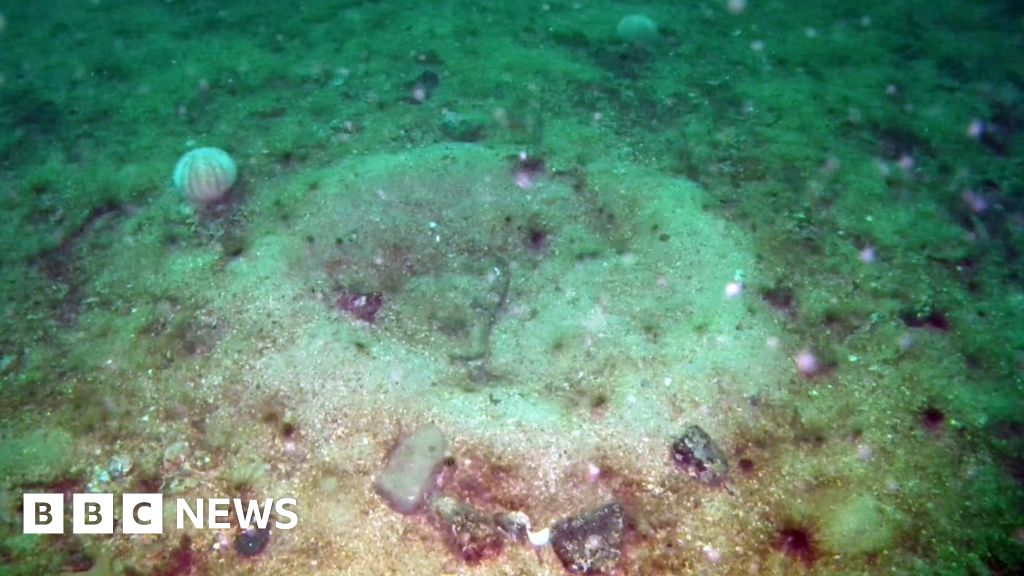
Young gut bacteria can help old brains. In a new study, scientists give bacteria from young mice to old mice. The brains of the old mice change and act young again. However, human brains are more complex than mouse brains. People need more research to know if this works for us.
Scientists study gut bacteria in mice. They write about this in June 2026. Gut bacteria are very small. They live inside the stomach. Some bacteria help the brain.
Young mice have young brains. Their brains can change easily. We call this brain plasticity. But old brains do not change easily.
In Italy, researchers do an experiment. They use very young mice. The young mice are twenty-one days old. The researchers give them antibiotics. The antibiotics are in their water. The mice drink this water for ten days.
Antibiotics kill many gut bacteria. They kill families like Lachnospiraceae. This bacterium is good for the brain. The chemicals protect the nerve cells.
The scientists close one eye of the mice. They close it for three days. They check the eyes and brains. Only the control mice show changes. The other mice have damaged brains.
Next, scientists do another experiment. They use old adult mice. These mice are four months old. They receive bacteria from young mice. These young mice are thirty days old.
Another group receives old bacteria. This is the control group. The scientists close one eye of these mice. They look at their brains.
Control mice brains do not change. But the other old mice are different. Their brains receive young bacteria. Their brains change in the test. The brains act like young brains. They have good brain plasticity.
Scientists in Norway and Ireland talk about this. The gut bacteria are very important. They help the brain grow. They can change the brain.
But humans are not mice. Human brains are very complex. Diet and lifestyle change human bacteria. People need many more studies. The new tests can help us.
Take a position. Out loud, if you can.
Four ways to start. Pick one and try saying it before you scroll on.
Tip · Record yourself, use in a notebook, or practice with a language partner.
How old are the very young mice in the first experiment?
Present Simple
The present simple is used to talk about facts, general truths, and habits that are true now.
“Scientists study gut bacteria in mice.”
What to know · A1
Try saying this aloud
Scenario: Talking about simple gut health or body states.
- 01“My stomach is happy.”
- 02“I need some water.”
- 03“This is good.”
Register tip · informal
🔑Key Phrases
Used to introduce a specific scientific definition or term to the reader.
We call this type of food a superfood.
Standard structure used for stating the age of people or animals.
My dog is three years old.
Describes the action of receiving a physical or biological substance.
Plants receive warm sunlight.
🎙️ Article Audio — Kokoro TTS
Young Gut Bacteria Make Old Mouse Brains Act Young
💬Discussion Questions
Open-ended questions to talk or write about — alone, with a partner, or in class.
- 1
How do you feel about scientists using mice for studies?
Opinion - 2
Why is a young brain different from an old brain?
Compare - 3
Do you think medicine helps people live longer in the future?
Predict - 4
How do you keep your own body healthy every day?
Personal - 5
Is it good to study gut bacteria?
Evaluate - 6
How is human life different from animal life?
Compare - 7
What other science topics do you like to read about?
Personal - 8
Is science always good for the world?
Opinion
Adapted from New Scientist · Read the original. LectoPress rewrites the facts as original graded-reader text for language learners.
Get stories at your level, every day
A1 · EN · delivered to your inbox · unsubscribe any time
Customize language, level & topics → full preferences