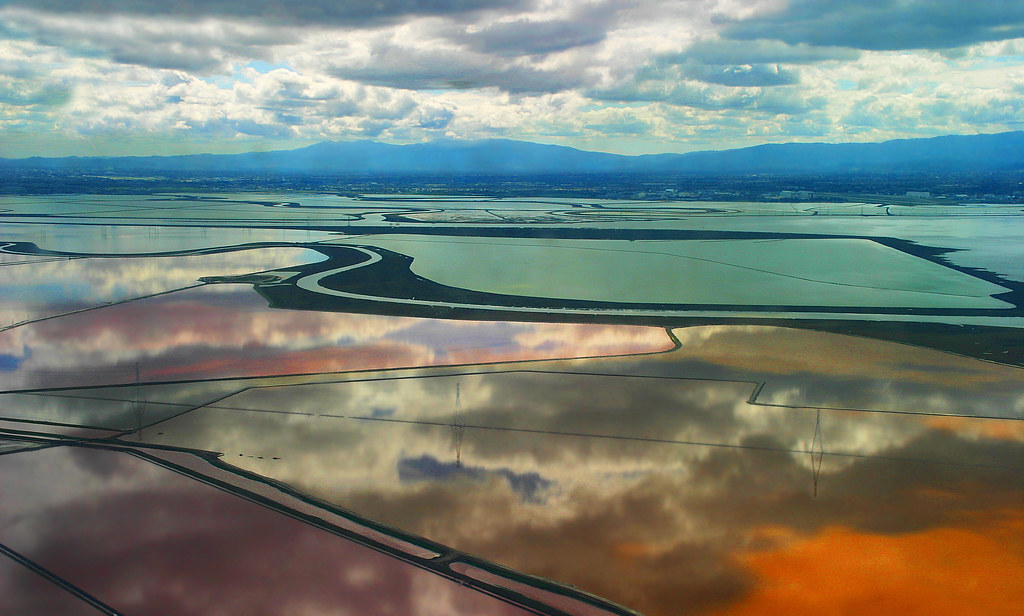
Isaias escalates to major category three storm

Isaias has escalated into a major category three storm, reaching a critical threshold just before its projected landfall. This intensification, characterized by rapid structural strengthening, poses a severe threat to coastal regions. Meteorologists and emergency agencies are utilizing advanced modeling to assess trajectories and mitigate risks. While atmospheric forecasting remains complex, the precision of these models is vital for public safety and resource management. This event underscores the urgent need for robust disaster preparedness, highlighting the volatile interplay between climate conditions and severe weather phenomena.
The tropical cyclone Isaias has officially escalated into a major category three storm, a critical meteorological milestone reached mere hours before its projected landfall. This classification, predicated on sustained wind speeds, underscores the heightened threat level posed to coastal regions as the system prepares to transition from the ocean to land. Meteorologists have been observing a rapid intensification phase, a phenomenon that highlights the volatile nature of such weather systems. The BBC Science division has documented this evolution, emphasizing the gravity of the situation as the storm’s structural integrity strengthens. When a system achieves category three status, it is categorized as a major hurricane, possessing the capacity to inflict catastrophic damage upon coastal infrastructure and local ecosystems. Consequently, the focus has shifted toward precise trajectory modeling and impact assessment, as emergency management agencies coordinate their responses to mitigate potential risks. Notwithstanding the inherent complexities of atmospheric forecasting, scientific modeling has become increasingly adept at predicting the path and intensity of these events. This predictive capability is indispensable for public safety, as it facilitates timely evacuations and resource allocation. As Isaias approaches the coastline, the scientific community remains vigilant, analyzing real-time data to refine their outlooks. The underlying mechanics of this intensification—often driven by sea surface temperatures and favorable atmospheric conditions—serve as a stark reminder of the dynamic interplay between climate and weather. Residents situated in the storm's projected path are advised to adhere to official guidance and maintain situational awareness. As the system makes landfall, the immediate priority is the preservation of life and the minimization of structural damage. The evolution of Isaias into a major storm serves as a poignant illustration of the necessity for robust, science-based disaster preparedness in an era of increasingly unpredictable weather patterns.
Take a position. Out loud, if you can.
Four ways to start. Pick one and try saying it before you scroll on.
Tip · Record yourself, use in a notebook, or practice with a language partner.
What does the text imply about the nature of the intensification phase?
Complex Subordination
Using multiple clauses to build a sophisticated argument.
“Notwithstanding the inherent complexities of atmospheric forecasting, scientific modeling has become increasingly adept at predicting the path and intensity of these events.”
What to know · C1
Try saying this aloud
Scenario: Sophisticated analytical discussion
- 01“The situation underscores the need for...”
- 02“Notwithstanding the complexities, we must...”
- 03“This serves as a poignant reminder...”
Register tip · formal
🔑Key Phrases
High-register description of timing
This is a critical milestone reached mere hours before the deadline.
Formal way to indicate importance
The report underscores the heightened threat level.
Sophisticated description of unpredictability
We must consider the volatile nature of the stock market.
Precise, strong vocabulary for damage
The war will inflict catastrophic damage upon the country.
Conceptual description of the topic
We studied the dynamic interplay between politics and economics.
💬Discussion Questions
Open-ended questions to talk or write about — alone, with a partner, or in class.
- 1
To what extent should scientific uncertainty be communicated to the public during a crisis?
Evaluate - 2
How might the concept of 'structural integrity' in storms be applied to social systems?
Compare - 3
Given the 'volatile nature' of weather, how can we improve long-term urban planning?
Predict - 4
Is the term 'natural disaster' a misnomer in the age of climate change?
Opinion - 5
How do you evaluate the balance between individual responsibility and state intervention in disaster management?
Evaluate - 6
What does the term 'situational awareness' mean to you in your professional life?
Personal - 7
How might future advancements in AI redefine our approach to meteorological forecasting?
Predict - 8
Discuss the tension between scientific precision and public panic.
Evaluate
News sourced from: BBC Science →. LectoPress rewrites the facts as original graded-reader text for language learners.
Get stories at your level, every day
C1 · EN · delivered to your inbox · unsubscribe any time
Customize language, level & topics → full preferences