NASA's X-59: A Pioneering Supersonic Aircraft Takes Flight, Silencing the Boom
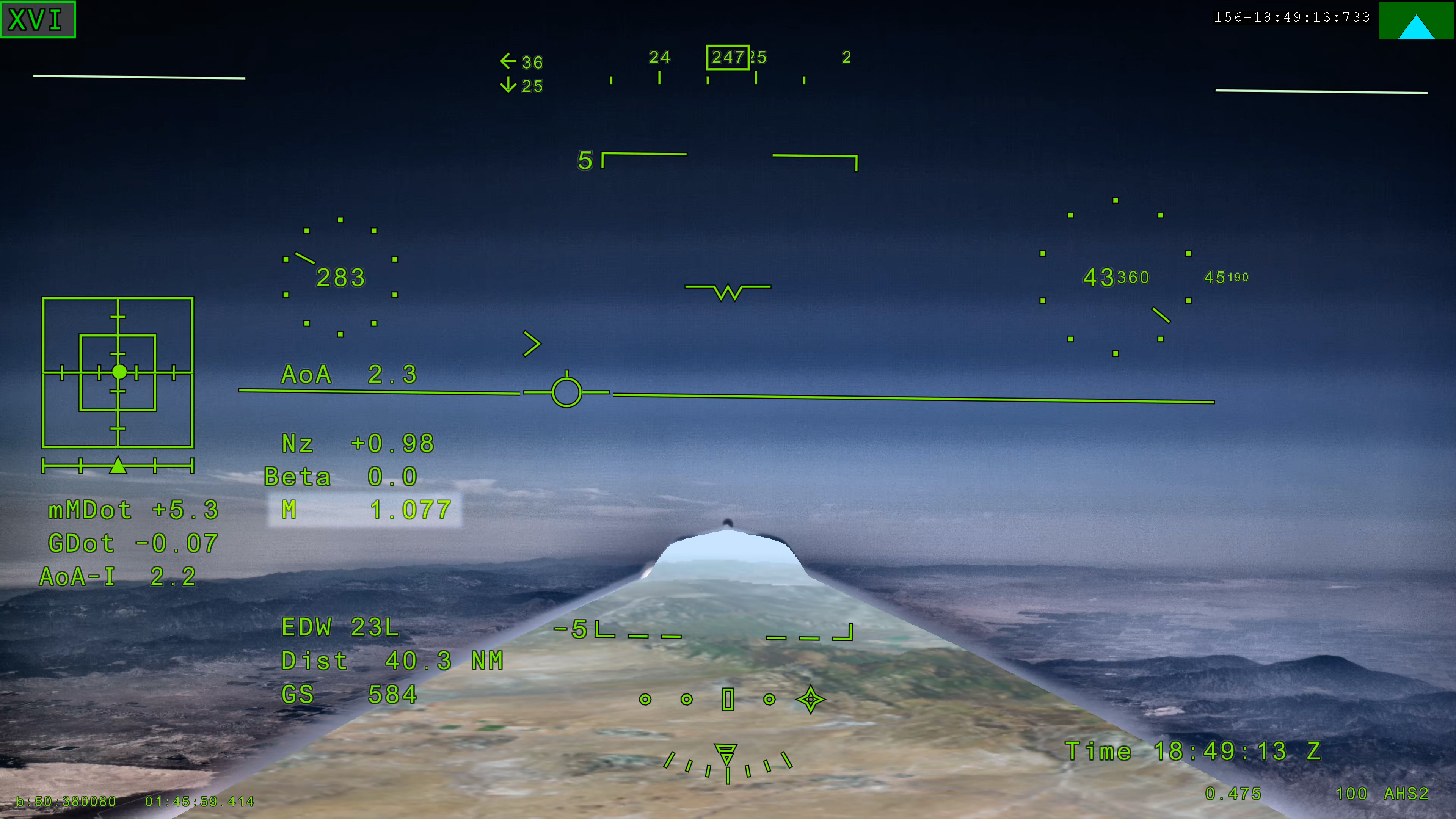
On June 5, 2026, NASA's X-59 aircraft achieved a milestone that had long been anticipated: it flew faster than the speed of sound for the first time, reaching Mach 1.077. Having broken the sound barrier, the X-59 is distinguished not merely by its speed but by the manner in which it accomplishes supersonic flight. Unlike conventional supersonic jets, which produce disruptive sonic booms that have historically led to restrictions on overland flight, the X-59 has been meticulously designed to reduce its acoustic footprint. It generates a thump rather than a boom. This innovation could, if validated, fundamentally alter the regulatory landscape. The aircraft employs an eXternal Vision System in lieu of a traditional cockpit window, a feature that preserves the aerodynamic profile necessary for quiet supersonic travel. The pilot relies on a high-definition screen to navigate, a solution that underscores the project's commitment to unconventional design. NASA intends to conduct a series of flights over populated areas, soliciting feedback from residents to measure the perceived noise. The data gathered will be instrumental in persuading regulatory bodies to amend current prohibitions on supersonic flight over land. Nevertheless, sceptics contend that the X-59 remains an experimental platform, and that scaling such technology for commercial use presents considerable challenges. Despite these reservations, the project has been lauded as a harbinger of a new era in aviation, where speed and silence are no longer mutually exclusive.
Take a position. Out loud, if you can.
Four ways to start. Pick one and try saying it before you scroll on.
Tip · Record yourself, use in a notebook, or practice with a language partner.
What makes the X-59 different from conventional supersonic jets?
Complex Subordination with Participles and Relative Clauses
Using participle phrases (e.g., 'Having broken') and relative clauses adds complexity and nuance.
“Having broken the sound barrier, the X-59 is distinguished not merely by its speed but by the manner in which it accomplishes supersonic flight.”
What to know · C1
Try saying this aloud
Scenario: Writing a formal policy recommendation on aviation noise
- 01“The aircraft has been meticulously designed.”
- 02“The data gathered will be instrumental.”
- 03“Sceptics contend that scalability remains a challenge.”
Register tip · formal
🔑Key Phrases
Complex noun phrase with embedded relative clause 'that had long been anticipated' adds depth.
The company achieved a milestone that had long been anticipated by investors.
Uses 'not merely...but' for contrast, and relative clause 'in which' to specify manner.
The artist is distinguished not merely by her technique but by the emotion she conveys.
Conditional clause reduced to 'if validated' and uses 'fundamentally' for strong effect.
If approved, the policy would fundamentally alter the healthcare system.
Uses 'no longer' to show change and 'mutually exclusive' for sophisticated vocabulary.
In this design, luxury and affordability are no longer mutually exclusive.
🎙️ Article Audio — Kokoro TTS
NASA's X-59: A Pioneering Supersonic Aircraft Takes Flight, Silencing the Boom
Adapted from NASA · Read the original. LectoPress rewrites the facts as original graded-reader text for language learners.
Get stories at your level, every day
C1 · EN · delivered to your inbox · unsubscribe any time
Customize language, level & topics → full preferences