Diplomatic Reset: United States and Iran Agree to De-escalate Hostilities

Reports on Sunday indicate that the United States and Iran have agreed to halt their escalating military attacks, potentially rescuing a fragile peace process. The agreement followed a series of retaliatory strikes triggered by an attack on a cargo ship in the Strait of Hormuz. Despite the signing of a memorandum in June, recent hostilities spread to U.S. allies and resulted in the death of a Qatari citizen. Representatives from both countries are still scheduled to convene in Doha on Tuesday to negotiate a lasting resolution to the conflict.
The United States and Iran have reportedly reached an agreement to halt their escalating military hostilities, potentially preserving a fragile peace process that had seemed on the verge of collapse. According to Sunday reports from major media outlets citing a senior American official, the two nations agreed to stop their reciprocal strikes. Although Iranian officials have yet to confirm the deal, this development offers a crucial pause in a conflict that began on February 28.
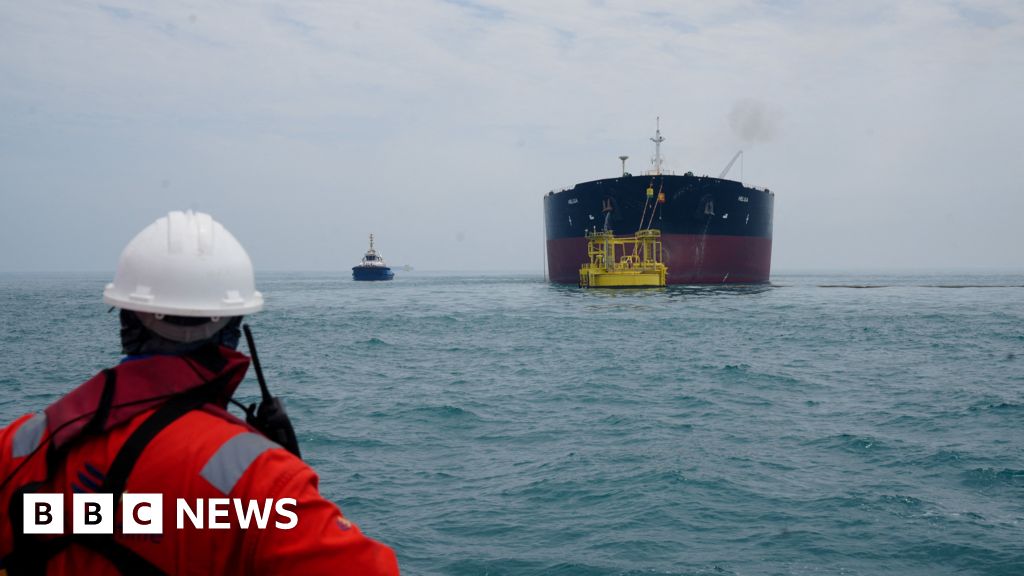
The conflict had briefly stabilized after both nations signed a Memorandum of Understanding on June 17, which required Iran to safeguard commercial shipping through the Strait of Hormuz. However, Iran's alleged attack on a container ship off Oman's coast on Thursday evening threatened to derail this progress entirely. Accusing Tehran of violating the cease-fire, the United States retaliated on Friday, which prompted a series of counterstrikes from Iran on Saturday.
The situation deteriorated further as Tehran targeted regional allies, prompting U.S. Central Command to launch additional military operations against targets in Iran. Bahraini and Kuwaiti forces intercepted several missiles and drones, though one strike damaged a residential structure near the international airport in Bahrain.
Adding to the gravity of the escalation, Qatari authorities confirmed that shrapnel from these military operations killed one of their citizens on a boat. Another passenger, identified as an Arab resident, sustained injuries but remains in stable condition after search-and-rescue teams located their vessel on Sunday.
Notwithstanding the recent violence, negotiators from both countries still plan to convene in Doha on Tuesday. This diplomatic meeting represents a vital opportunity to formalize a lasting truce and prevent further destabilization in the region.
Take a position. Out loud, if you can.
Four ways to start. Pick one and try saying it before you scroll on.
Tip · Record yourself, use in a notebook, or practice with a language partner.
According to reports citing an unnamed senior American official, what did the U.S. and Iran agree to do?
Participle Clauses
Participle clauses allow us to express information in a more economical way, acting like adverbial clauses. Here, 'Accusing...' acts as a reason clause meaning 'Because they accused Tehran...'.
“Accusing Tehran of violating the cease-fire, the United States retaliated on Friday, which prompted a series of counterstrikes from Iran on Saturday.”
What to know · C1
Try saying this aloud
Scenario: Drafting a high-level briefing on corporate disputes.
- 01“Faced with declining sales, the board decided to restructure.”
- 02“Having signed the agreement, we proceeded with the integration.”
- 03“Barring any unforeseen issues, we expect to finish on time.”
Register tip · formal
🔑Key Phrases
Describes the core agreement between the United States and Iran.
The United Nations urged both nations to halt their escalating military hostilities.
Refers to the key requirement outlined in the Memorandum of Understanding.
Nations must cooperate to safeguard commercial shipping through the Strait of Hormuz.
Describes the severe risk posed by the cargo ship attack.
The sudden political scandal threatened to derail this progress entirely.
Explains the goal of the upcoming Tuesday peace talks in Doha.
Diplomats are working to prevent further destabilization in the region.
🎙️ Article Audio — Kokoro TTS
Diplomatic Reset: United States and Iran Agree to De-escalate Hostilities
💬Discussion Questions
Open-ended questions to talk or write about — alone, with a partner, or in class.
- 1
To what extent can unofficial leaks from senior officials shape international diplomacy?
Evaluate - 2
How does the geopolitics of trade routes like the Strait of Hormuz influence global energy security?
Evaluate - 3
Compare the effectiveness of economic sanctions versus military retaliation in enforcing cease-fires.
Compare - 4
How should international law address civilian casualties resulting from shrapnel in international waters?
Opinion - 5
Under what conditions can bilateral agreements survive repeated violations by either party?
Evaluate - 6
Analyze how regional conflicts might escalate into global confrontations in the modern era.
Predict - 7
How does state-controlled media reporting influence domestic public perception of international conflicts?
Compare - 8
What diplomatic strategies are most effective when negotiating a peace treaty under active hostilities?
Opinion
Adapted from UPI World · Read the original. LectoPress rewrites the facts as original graded-reader text for language learners.
Get stories at your level, every day
C1 · EN · delivered to your inbox · unsubscribe any time
Customize language, level & topics → full preferences