Shaping an Indian Agave Identity
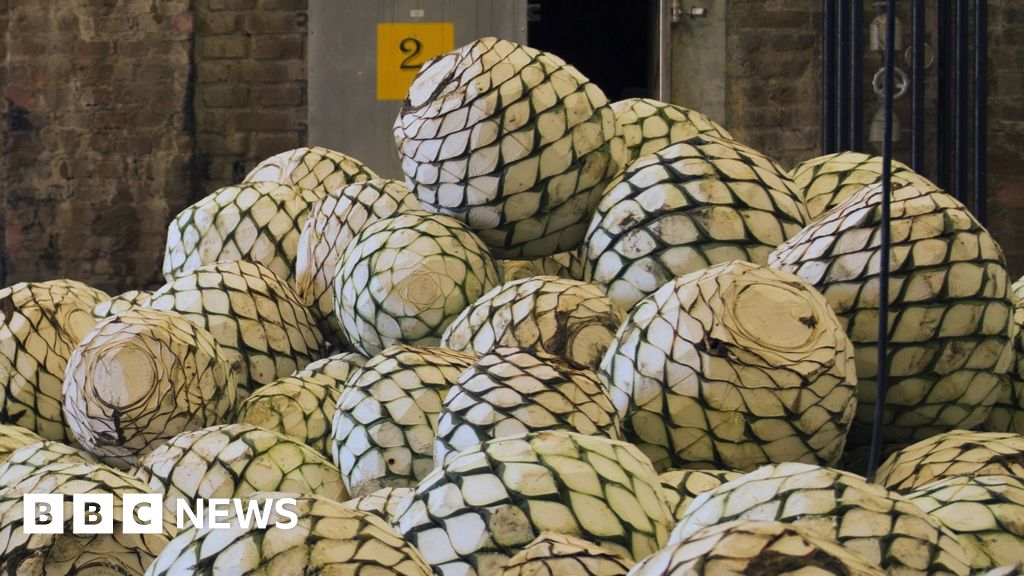
The Indian agave spirit market is experiencing significant growth as entrepreneurs tap into wild resources on the Deccan Plateau. Unlike Mexico's commercial plantations, India relies on local networks to harvest semi-wild agave. This process requires precise timing and rapid transportation to ensure the sugars do not rot. While whisky remains the favorite spirit, these new brands are successfully establishing a credible Indian agave identity.
Masapalli Venkatesh, a farmer from Kandukur on the Deccan Plateau, has seen his life transformed by a desert plant. While his 10-acre farm produces tomatoes and corn, it was the agave cactus that caught the attention of traders in 2010. Traditionally, this spiky plant was used as fencing to deter wild animals, but it is actually a relative of the plants used in Mexico’s $15bn tequila industry.
Unlike the vast plantations in Jalisco, India currently lacks commercial agave farming. Instead, entrepreneurs like Venkatesh collect semi-wild agave from marginal lands. By coordinating villagers across a 100km range, he provides a high-volume supply that distilleries are willing to pay a premium for. This "blue gold" has become a vital source of extra income for rural communities.
Harvesting the "piña," or the heart of the plant, is a highly skilled process. Workers must reveal the heart by chopping off spiky leaves. Timing is critical; if the plant were to bloom, its accumulated sugar would be entirely depleted. Gatherers must accurately identify the narrow pre-blooming window to ensure maximum sugar capacity.
Once harvested, the piñas must be transported to a pressure cooker within 24 hours. Any delay risks ruining the batch, as the internal sugars begin to rot and ferment unpredictably. This is particularly challenging because suppliers are scattered across states like Karnataka and Rajasthan. Brands cannot simply order from a centralized cooperative.
The Indian market for agave spirits is growing at an impressive rate of 31%. While agave drinks are unlikely to replace whisky, India’s favorite spirit, they are carving out a significant niche. Producers are seriously experimenting with wild agave from the Deccan Plateau. Consequently, the category is moving from a mere curiosity to something far more credible.
Take a position. Out loud, if you can.
Four ways to start. Pick one and try saying it before you scroll on.
Tip · Record yourself, use in a notebook, or practice with a language partner.
Why is the Indian agave industry described as decentralized?
Passive Voice in Journalistic Style
The passive voice is often used to describe how objects are handled or how things were done traditionally.
“Masapalli Venkatesh, a farmer from Kandukur on the Deccan Plateau, has seen his life transformed by a desert plant.”
What to know · B2
Try saying this aloud
Scenario: Discussing a niche market or a specialized production process.
- 01“It is carving out a significant niche”
- 02“Timing is critical in this process”
- 03“They are willing to pay a premium for...”
Register tip · formal
🔑Key Phrases
Indicates the profound impact of the agave on the farmer's life.
The local economy was transformed by the new technology.
Shows that high-quality wild agave is highly valued by distillers.
Connoisseurs are often willing to pay a premium for organic products.
Explains the technical risk if the harvest is too late.
If we didn't save money, our funds would be entirely depleted by next month.
Describes the chemical danger of transport delays.
Without refrigeration, the juice will rot and ferment unpredictably.
Suggests that the industry is gaining professional standing.
The start-up is moving from a mere curiosity to a serious competitor.
🎙️ Article Audio — Kokoro TTS
Shaping an Indian Agave Identity
Adapted from BBC Technology · Read the original. LectoPress rewrites the facts as original graded-reader text for language learners.
Get stories at your level, every day
B2 · EN · delivered to your inbox · unsubscribe any time
Customize language, level & topics → full preferences