UK Launches £75m Water Conservation Campaign Following Extreme Heatwave
In response to unprecedented temperatures linked to the climate crisis, a seventy-five million pound campaign named Let's Save Water has been launched in the United Kingdom. Funded by water companies, this initiative aims to reduce daily per capita consumption by twenty-eight litres. Currently, UK residents use 140 litres per day but underestimate their consumption by a factor of five. Experts warn that climate change and demographic growth could cause a daily deficit of five billion litres by 2055. To mitigate this threat, consumers are encouraged to implement daily habits like taking shorter showers and installing water-saving devices.
As the United Kingdom emerges from unprecedented temperatures attributed to the climate crisis, water companies have launched a £75 million public awareness campaign this very week. Arguably the most extensive initiative of its kind, the campaign, titled Let's Save Water, aims to reduce daily household water consumption by twenty-eight litres per capita. Notwithstanding the target, achieving this reduction is likely to require substantial behavioral shifts, given that the current daily average in England and Wales stands at 140 litres.
In contrast to the UK, neighboring European countries like Germany and the Netherlands maintain a significantly lower average of 120 litres per person each day. Compounding the issue, preliminary research indicates that British consumers are largely unaware of their consumption habits, typically underestimating their daily usage by a factor of five. Faced with demographic expansion and climate change, analysts predict that the daily water deficit could escalate to five billion litres by 2055, equivalent to two thousand Olympic pools.
Consequently, the partnership, which comprises water companies, Ofwat, the Met Office, and environmental agencies, is calling on households to implement simple modifications to their daily routines. Such measures include taking shorter showers, utilizing garden water butts, and repairing dripping taps, which collectively contribute to substantial domestic water conservation. Replacing standard shower heads with water saving models can reduce water consumption by up to fifty percent, while simultaneously lowering domestic energy bills.
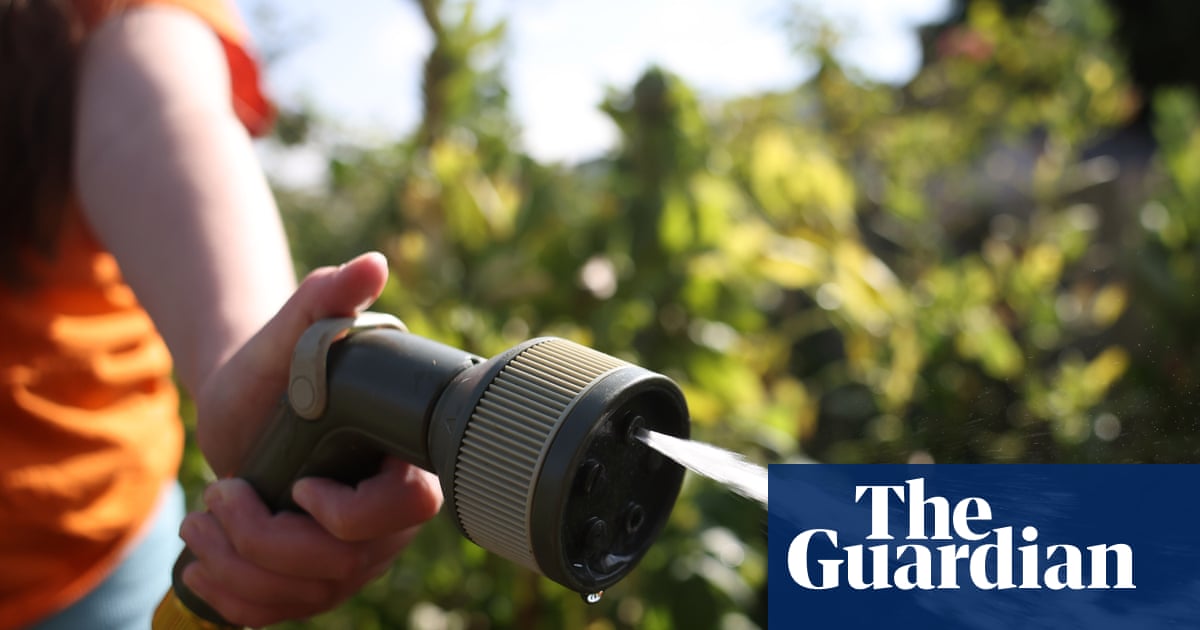
The urgency of the situation was highlighted on Friday when South East Water implemented a hosepipe ban in Kent following a dramatic surge in demand. Nevertheless, persuading the public to conserve is likely to prove challenging, especially since trust in water utilities is historically low due to sewage pollution. To address this challenge, behavioral psychologists are advising the campaign, emphasizing that households must be empowered through real time feedback from domestic smart meters.
Take a position. Out loud, if you can.
Four ways to start. Pick one and try saying it before you scroll on.
Tip · Record yourself, use in a notebook, or practice with a language partner.
According to C1-level analysis, what daily water shortage is projected for England and Wales by 2055?
register variation and fronting for emphasis
Fronting places an adverbial, adjectival, or noun phrase at the beginning of a sentence to establish context, emphasis, or cohesive links before introducing the main subject and verb.
“Arguably the most extensive initiative of its kind, the campaign, titled Let's Save Water, aims to reduce daily household water consumption by twenty-eight litres per capita.”
What to know · C1
Try saying this aloud
Scenario: Analyzing policy options and public engagement strategies.
- 01“Notwithstanding the current obstacles, it is imperative to...”
- 02“This is likely to require substantial shifts in...”
- 03“We must empower consumers through real-time data.”
Register tip · formal
🔑Key Phrases
The serious global issue of climate change and environmental degradation.
Tackling the climate crisis is the defining challenge of our generation.
The designated title of the UK water efficiency campaign.
The Let's Save Water drive targets a 28-litre per person reduction.
Faucets that leak drop by drop, wasting domestic supplies.
Addressing dripping taps should be prioritized in residential conservation efforts.
The contamination of aquatic environments with wastewater.
Escalating sewage pollution has eroded consumer trust in utility operators.
Modern digital devices used for measuring household utility usage in real time.
Widespread implementation of smart meters facilitates immediate consumption awareness.
🎙️ Article Audio — Kokoro TTS
UK Launches £75m Water Conservation Campaign Following Extreme Heatwave
💬Discussion Questions
Open-ended questions to talk or write about — alone, with a partner, or in class.
- 1
How might the tension between industrial expansion and ecological preservation be resolved?
Opinion - 2
To what degree is the skepticism toward privatized water companies justified?
Evaluate - 3
How do domestic water conservation strategies compare across different socio-economic regions?
Compare - 4
What long-term demographic shifts do you predict as freshwater resources dwindle globally?
Predict - 5
In what ways have you personally witnessed the local environment adapting to climate change?
Personal - 6
How effective are behavioral economics and psychology in shaping public environmental policy?
Evaluate - 7
What is the likelihood of international conflicts arising from transboundary water shortages?
Predict - 8
To what extent does corporate greenwashing undermine genuine grassroots conservation efforts?
Opinion - 9
How does the environmental footprint of digital infrastructure contrast with traditional industries?
Compare
Adapted from The Guardian Environment · Read the original. LectoPress rewrites the facts as original graded-reader text for language learners.
Get stories at your level, every day
C1 · EN · delivered to your inbox · unsubscribe any time
Customize language, level & topics → full preferences