US Eases Sanctions on Iranian Oil as Nuclear Dispute Remains Unresolved
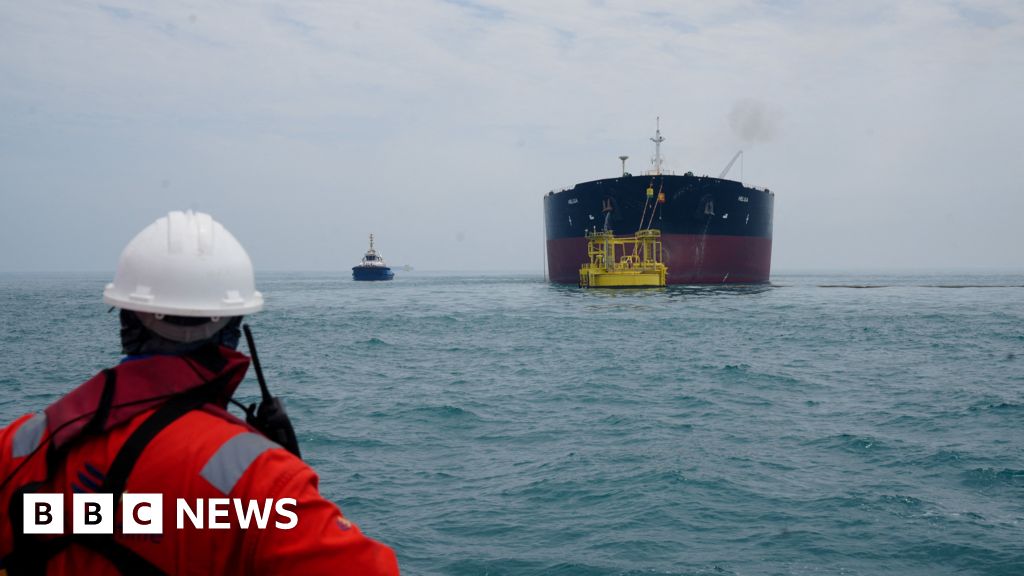
Negotiations in Bürgenstock, Switzerland, between the United States and Iran have resulted in a sixty-day roadmap toward a final peace agreement. To facilitate these talks, which are mediated by Qatar and Pakistan, the US Treasury issued a temporary waiver allowing Iran to sell oil in US dollars. Despite this progress, a major disagreement has emerged. While US Vice-President JD Vance claims that nuclear inspectors will return to Iran this week, Tehran denies making new commitments, stating that any inspections must follow existing parliament guidelines.
Following negotiations in Bürgenstock, Switzerland, the United States and Iran agreed to a roadmap toward reaching a final peace deal within sixty days. Qatar and Pakistan acted as mediators during the talks, which aimed to bring a definitive end to the war. Vance noted that the talks laid a very good foundation, with both teams discussing the Strait of Hormuz and regional ceasefire plans.
Simultaneously, the US Treasury issued a temporary sixty-day waiver that dismantles key parts of Washington's long-running embargo against Tehran. This emergency licence, which remains active until August 21, allows Iran to sell its crude oil and petrochemicals in US dollars. Under this relief, Iranian oil can be imported directly into the US, bypassing the complex networks previously used to evade sanctions. Treasury Secretary Scott Bessent stated that, in exchange for the waiver, Tehran had committed to keeping the Strait of Hormuz open.
However, a dispute has arisen over the return of international nuclear inspectors to Iran. Vance expressed expectations that negotiations with the International Atomic Energy Agency could begin immediately, predicting that inspectors might return this week. This was supported by President Donald Trump, who posted online that Iran would agree to major weapons inspections.
In contrast, Iranian foreign ministry spokesman Esmail Baqai denied these assertions in an interview with state media. Baqai maintained that Tehran had made no new commitments regarding inspections, adding that any cooperation would occur under existing parliament guidelines. This disagreement highlights the fragile nature of the negotiations, especially after the lead Iranian negotiators left the meetings on Monday. Although technical discussions have concluded, both sides still plan to create specialized negotiating groups to address nuclear issues, sanctions, and reconstruction.
Take a position. Out loud, if you can.
Four ways to start. Pick one and try saying it before you scroll on.
Tip · Record yourself, use in a notebook, or practice with a language partner.
What is the main purpose of the temporary sixty-day waiver issued by the US Treasury?
Reported speech with backshifted past perfect
When reporting statements made in the past, we often shift the speaker's original past simple or present perfect tenses back to the past perfect.
“Baqai maintained that Tehran had made no new commitments regarding inspections, adding that any cooperation would occur under existing parliament guidelines.”
What to know · B2
Try saying this aloud
Scenario: Writing a formal summary of a business negotiation for your board of directors.
- 01“They agreed to a roadmap toward reaching a final contract.”
- 02“The committee maintained that they had made no new commitments.”
- 03“We aim to bypass the complex networks previously used.”
Register tip · formal
🔑Key Phrases
This specifies the successful outcome of the first round of bilateral talks.
The parties agreed to a roadmap toward reaching a final peace deal.
This describes the structural impact of the temporary sanctions waiver.
The new waiver dismantles key parts of Washington's long-running embargo.
This shows how the direct oil sales in US dollars simplify logistics.
They sold the cargo directly, bypassing the complex networks previously used to evade sanctions.
This introduces the US vice-president's projection on nuclear talks.
Vance expressed expectations that negotiations with the International Atomic Energy Agency would start immediately.
This highlights Iran's strict procedural limitation on inspections.
Baqai rejected the timeline, adding that any cooperation would occur under existing parliament guidelines.
🎙️ Article Audio — Kokoro TTS
US Eases Sanctions on Iranian Oil as Nuclear Dispute Remains Unresolved
💬Discussion Questions
Open-ended questions to talk or write about — alone, with a partner, or in class.
- 1
How do domestic political concerns, such as parliamentary rules, shape international diplomacy?
Opinion - 2
What are the ethical implications of using economic sanctions as a political weapon?
Evaluate - 3
To what extent can mediators ensure the safety of maritime trade during conflicts?
Evaluate - 4
How do public social media statements by leaders affect the trust between negotiating nations?
Opinion - 5
Compare the effectiveness of short-term sanctions waivers with long-term treaty agreements.
Compare - 6
What challenges do negotiating teams face when lead negotiators leave a summit?
Opinion - 7
How might a regional ceasefire in the Middle East influence global oil prices?
Predict - 8
What criteria should be used to evaluate whether a peace negotiation is successful?
Evaluate
Adapted from BBC World · Read the original. LectoPress rewrites the facts as original graded-reader text for language learners.
Get stories at your level, every day
B2 · EN · delivered to your inbox · unsubscribe any time
Customize language, level & topics → full preferences