Cost of Living Protests Cause Trouble in German Cities

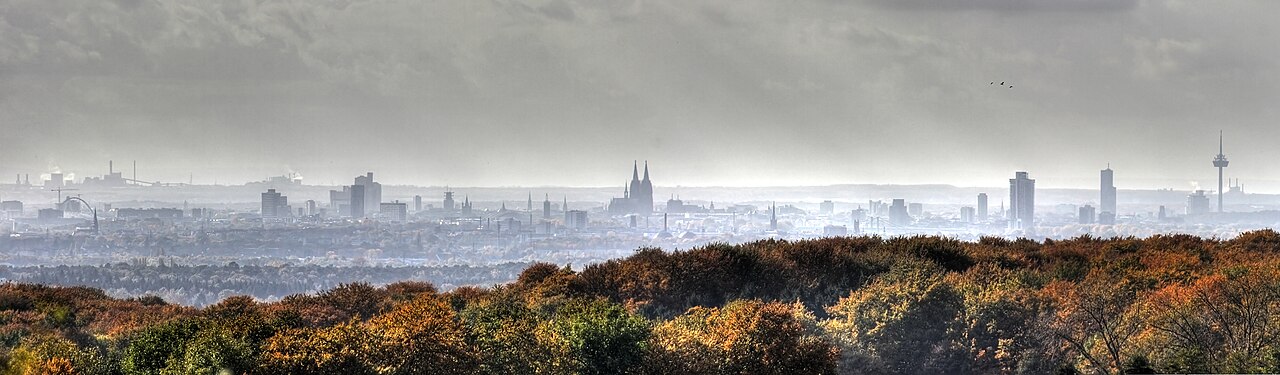
Thousands of young people marched in Germany on Saturday to protest high living costs and spending cuts. Although the daytime marches were peaceful, violence broke out at night in Frankfurt, Berlin, Cologne, and Hamburg. Extremists smashed windows, looted shops, and threw objects at police. Similar large protests also took place in France, Italy, and Portugal.
On Saturday, young people gathered in several German cities to protest. They marched against the high cost of living and cuts to public services. They also demanded better funding for schools and hospitals. A youth group called Gen Z regelt organised the events. The group stated that they wanted peace, freedom, and an end to compulsory military service. Thousands of people joined the marches peacefully during the day.
However, violent clashes started later in the night. In Frankfurt, agitators smashed shop windows on the main shopping street. People broke into stores and stole trainers and other goods. Someone smashed the window of a gun store, but police arrested a suspect and seized two weapons. Officials said about 100 left-wing extremists joined the crowd and caused the damage. Police used water cannons to disperse the aggressive crowds in Frankfurt. Similar attacks happened near the train station in Cologne, where people threw bottles and a bicycle at emergency workers.
Other German cities experienced violence as well. In Berlin, 27 police officers were injured, and police temporarily detained up to 56 people. In Hamburg, protesters dressed in black started fires on barricades and lit fireworks. Police arrested 120 people in Hamburg.
These events coincided with mass demonstrations in other countries. In France, more than 320,000 people took to the streets to protest high prices. French police fired tear gas, and a police officer suffered injuries from a molotov cocktail. Protests also happened in Italy and Portugal.
Take a position. Out loud, if you can.
Four ways to start. Pick one and try saying it before you scroll on.
Tip · Record yourself, use in a notebook, or practice with a language partner.
What did police seize after someone smashed a gun shop window in Frankfurt?
Past Simple for completed past actions
Use past simple verbs (regular with -ed, irregular forms) to describe clear historical sequence events.
“On Saturday, young people gathered in several German cities to protest.”
What to know · A2
Try saying this aloud
Scenario: Discussing news stories about public rallies
- 01“They gathered to protest against high prices.”
- 02“The police arrived to clear the street.”
- 03“Thousands of people joined the march.”
Register tip · informal
🔑Key Phrases
Useful for describing political demands.
The community demanded better funding for schools.
Describes a shift from peace to disorder.
Violent clashes started later outside the venue.
💬Discussion Questions
Open-ended questions to talk or write about — alone, with a partner, or in class.
- 1
Why do you think high prices make people so angry?
Opinion - 2
How can governments help students with living costs?
Evaluate - 3
Do you prefer living in a quiet city or a busy one?
Personal - 4
What happens when peaceful protests turn violent?
Predict - 5
Should police use water cannons during riots?
Opinion - 6
How do housing problems affect young people today?
Evaluate - 7
Is street violence ever justified for political changes?
Opinion - 8
How does your country handle high inflation and public cuts?
Compare
News sourced from: BBC World →. LectoPress rewrites the facts as original graded-reader text for language learners.
Get stories at your level, every day
A2 · EN · delivered to your inbox · unsubscribe any time
Customize language, level & topics → full preferences