English Riverbanks Remain Overwhelmingly Off Limits to the Public
Although heatwaves are driving the public to seek cooler areas by the water, approximately seventy-five percent of England's riverbanks remain inaccessible. Right to Roam researchers found that seventy-one percent of these waterways lack public access paths, and ninety-six percent have no statutory right to the water itself. Campaigners are calling on the new environment secretary to introduce reforms, while the government promises to restore nature. However, campaigners remain critical of official plans, such as the new river walks.
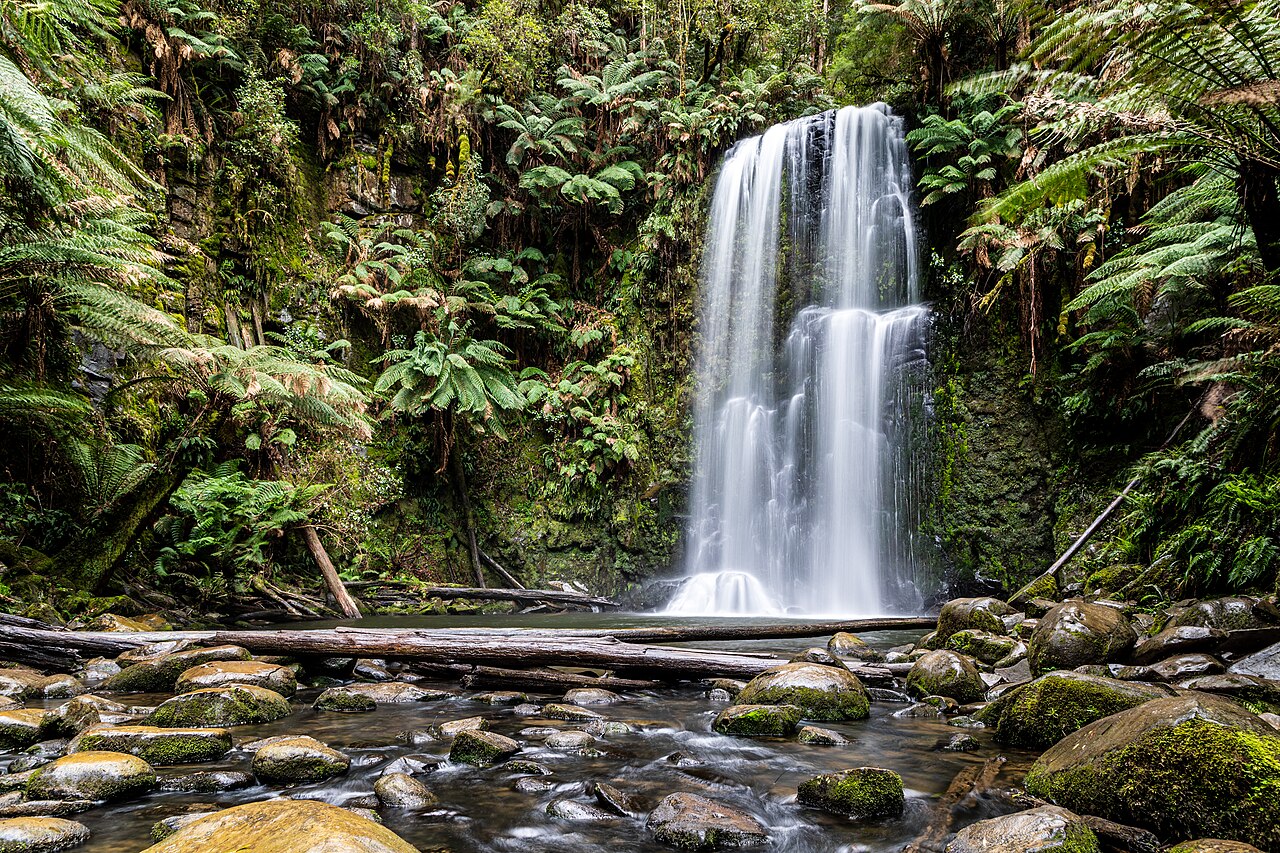
As record-breaking heatwaves prompt the public to seek free ways to cool down, limited river access has become a major issue. According to data published by the Right to Roam campaign, almost three-quarters of England’s riverbanks are completely off limits to the public. Consequently, citizens are excluded from accessing water in the vast majority of catchments from Cornwall to northern England.
The research, which was led by environmental social scientist Lewis Winks, examined eighty-nine catchments across the country. Winks pointed out that water access should be a basic right, particularly because drawing benefits from nature is crucial during extreme heat. Nevertheless, the study revealed that seventy-one percent of main rivers lack any public right of way within one hundred metres.
Furthermore, because ninety-six percent of rivers lack any statutory right to the water itself, activities like swimming are often contested. Consequently, landowners frequently ban the public, and most inland waters, including lakes and reservoirs, are treated as off limits. If the public had a legal right to these waterways, they would enjoy nature without conflict.
To address this, campaigners are urging Angela Eagle, the new environment secretary, to launch a long-delayed consultation regarding access to nature. They hope a right of responsible access to land and water will be introduced in the next king’s speech. Meanwhile, Kate Rew from the Outdoor Swimming Society argued that reconnecting people with rivers would help restore these ecosystems.
Significant regional disparities exist, with Shropshire having ninety percent of riverbanks blocked, whereas the New Forest blocks forty-nine percent. Additionally, trails like the Severn Way must divert up to eight hundred metres away from the water. If the government had created real access, these trails would not have been separated from the water.
Finally, although the government committed to creating nine new national river walks, campaigners argue that the first walk did not add new access. A spokesperson for the environment department stated that they were focused on restoring nature and increasing public access. However, campaigners remain skeptical about these official promises until real changes are implemented.
Take a position. Out loud, if you can.
Four ways to start. Pick one and try saying it before you scroll on.
Tip · Record yourself, use in a notebook, or practice with a language partner.
Who led the research that examined eighty-nine river catchments in England?
Third Conditional
The third conditional refers to hypothetical past situations that did not happen and their hypothetical past consequences. The structure is 'If + past perfect, would + have + past participle'.
“If the government had created real access, these trails would not have been separated from the water.”
What to know · B2
Try saying this aloud
Scenario: Discussing historical political or environmental choices and identifying missed outcomes.
- 01“If they had built the path earlier, more people would have visited.”
- 02“If we had protected the river, the fish would not have died.”
- 03“If the council had consulted the public, they would have avoided this conflict.”
Register tip · formal
🔑Key Phrases
Describes the context of rising temperatures urging the public to seek cooling spaces.
As record-breaking heatwaves prompt families to seek cool shelter, energy usage increases.
Stresses the importance of access to green and blue spaces for well-being.
Winks believes that drawing benefits from nature is crucial for health.
Shows that landowners challenge and object to the public using the water.
Recreational activities like swimming are often contested in private lakes.
Suggests that restoring the connection between citizens and waterways supports nature conservation.
She believed that reconnecting people with rivers would help environmental recovery.
Highlights the extreme lack of access in a specific region of the country.
With Shropshire having ninety percent of riverbanks blocked, access remains low.
💬Discussion Questions
Open-ended questions to talk or write about — alone, with a partner, or in class.
- 1
Should swimming in natural waters be a legal right, or should landowners have the final say?
Opinion - 2
How do Shropshire and the New Forest compare in terms of public access, and why might this be?
Compare - 3
What environmental problems might occur if riverbanks are opened to the general public?
Predict - 4
Do you think the benefits of accessing nature outweigh the risks of cold-water swimming?
Evaluate - 5
How can we encourage more people to protect rivers without excluding them from these spaces?
Evaluate - 6
How does the debate over land access in England compare to the rules in your home country?
Compare - 7
What role should the environment secretary play in resolving disputes between swimmers and landowners?
Opinion - 8
In what ways does your personal connection with nature affect your attitude toward environmental conservation?
Personal
News sourced from: The Guardian Environment →. LectoPress rewrites the facts as original graded-reader text for language learners.
Get stories at your level, every day
B2 · EN · delivered to your inbox · unsubscribe any time
Customize language, level & topics → full preferences