Campaigners Call for Public Access to English Riverbanks
Although many people want to visit rivers during hot weather, data shows that about seventy-five percent of England's riverbanks have no public access. Furthermore, ninety-six percent of rivers lack any legal right to the water itself. Campaigners are calling on the new government to change the laws and give people a right to roam, arguing that visiting nature makes citizens healthier and happier.
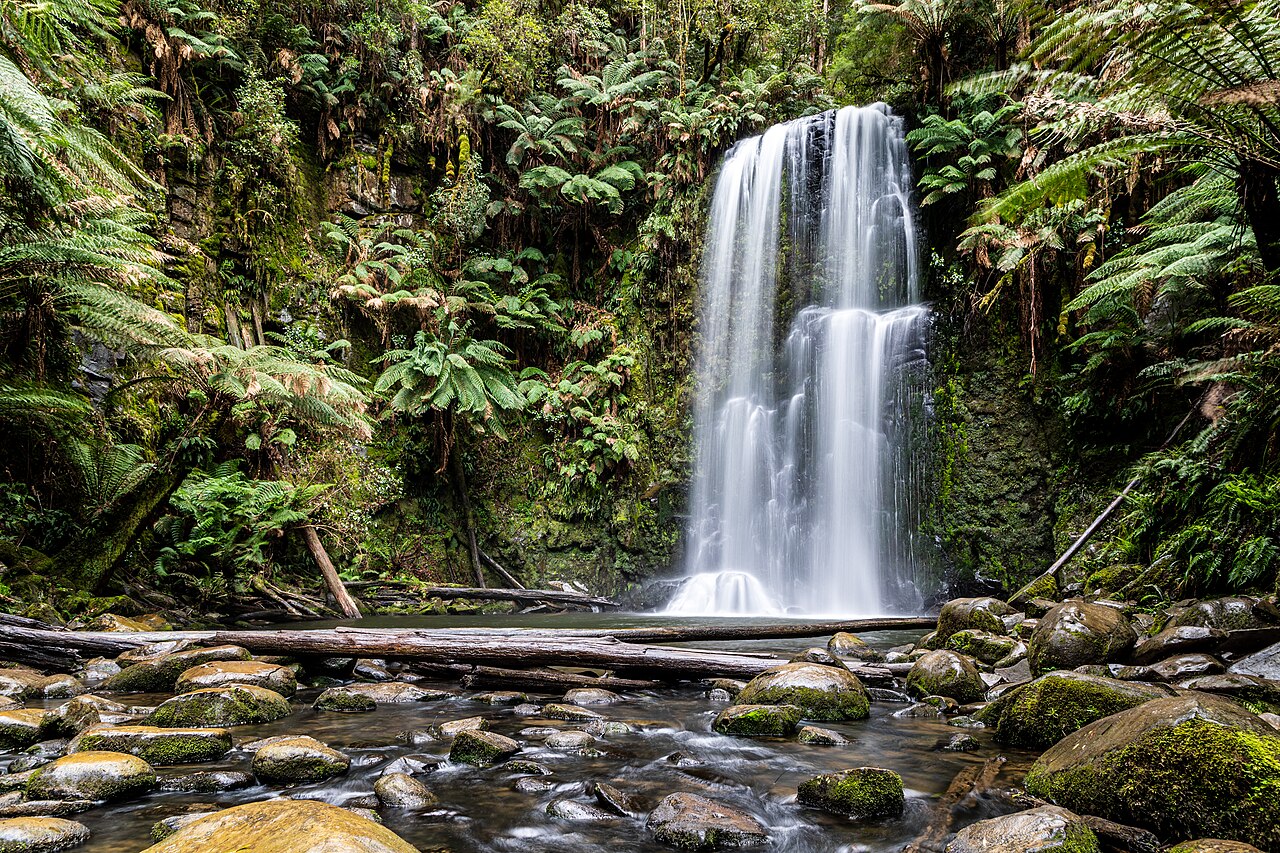
During recent hot summers, many people in England have tried to visit local waterways to cool down. However, new data shows that three-quarters of the country's riverbanks remain off limits to the public. As a result, people cannot access the water in most regions of the country.
Lewis Winks, who is an environmental scientist, led the research that examined eighty-nine different river catchments. His study found that seventy-one percent of these river catchments lack any public path near the water. In addition, this lack of access is identical in both rural areas and city environments.
Although rivers are popular, ninety-six percent of them in England and Wales lack public rights. As a result, landowners frequently stop swimmers because there is no legal access. In addition, landowners also treat most reservoirs and lakes as off limits to the public.
To solve this issue, campaigners have asked the new environment secretary, Angela Eagle, to introduce a new law. They want the government to announce a public consultation on access to nature in the next king's speech. If the government changes the law, people will access nature responsibly.
Kate Rew from the Outdoor Swimming Society believes that people must connect with nature. She explained that spending time by the water makes people feel healthier and much happier. However, she argued that people will only protect rivers if they can visit them.
The study also highlights huge regional differences in river access across the country. For example, ninety percent of the Shropshire riverbank has no public access. Although Shropshire has poor access, the New Forest only blocks forty-nine percent.
Surprisingly, many long-distance trails take their names from rivers that people cannot reach. For example, the Severn Way path diverts eight hundred metres away in some places. In addition, the Test Way walk does not follow the actual river.
Although the government has promised nine new national river walks, campaigners remain concerned. They argue that the first walk on the River Mersey did not create any new public access. As a result, they will continue to fight for a right to roam.
Take a position. Out loud, if you can.
Four ways to start. Pick one and try saying it before you scroll on.
Tip · Record yourself, use in a notebook, or practice with a language partner.
What percentage of rivers in England and Wales have no statutory right to the water itself?
First Conditional
We use the first conditional to speak about possible future events and their results. The structure is 'If + present simple, will + verb'.
“If the government changes the law, people will access nature responsibly.”
What to know · B1
Try saying this aloud
Scenario: Discussing how environmental changes will affect your local community.
- 01“If we protect the rivers, the wildlife will return.”
- 02“If they build a path, more tourists will visit.”
- 03“If the weather stays hot, people will need green spaces.”
Register tip · informal
🔑Key Phrases
Describes the action people take to seek relief during hot summer days.
We plan to visit local waterways to cool down next weekend.
Emphasizes that the findings do not differ between cities and the countryside.
The lack of public transport is identical in both rural areas.
Highlights that landowners restrict public access to lakes and storage basins as well.
Local landowners also treat most reservoirs as private property.
Shows the predicted positive outcome if the law is changed to allow access.
If we open the park, people will access nature responsibly.
💬Discussion Questions
Open-ended questions to talk or write about — alone, with a partner, or in class.
- 1
How does limited access to water affect people's physical and mental health?
Opinion - 2
What are the main differences between the laws in Shropshire and the New Forest?
Compare - 3
How will future heatwaves influence the public demand for open green spaces?
Predict - 4
Have you ever visited a natural place where access was restricted?
Personal - 5
How should governments balance the rights of landowners and the public?
Evaluate - 6
What environmental problems do rivers face when they are heavily visited?
Opinion - 7
Do you think creating river walks is an effective way to restore nature?
Evaluate - 8
How does access to nature in your country compare to England?
Compare
News sourced from: The Guardian Environment →. LectoPress rewrites the facts as original graded-reader text for language learners.
Get stories at your level, every day
B1 · EN · delivered to your inbox · unsubscribe any time
Customize language, level & topics → full preferences