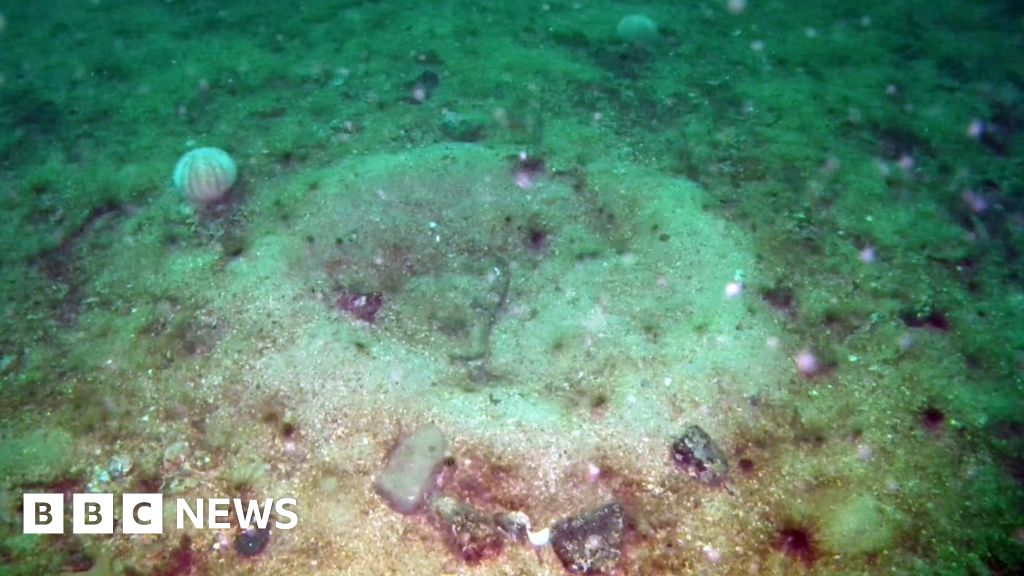
New Bacteria Eat Ocean Plastic

Scientists find new bacteria in the ocean. The bacteria live in deep water. They are in the Pacific Ocean. The bacteria can eat plastic. Plastic is a big problem. It is in the ocean. It is bad for fish. It is bad for birds. The new bacteria eat plastic at room temperature. This is very good. People make a lot of plastic. They use plastic for bags. They use plastic for bottles. Some plastic goes in the ocean. The bacteria can break down common plastics. They eat polyethylene and polyethylene terephthalate. These are common plastics. The bacteria use special enzymes. Enzymes are like tools. They help the bacteria eat. The bacteria are from deep ocean areas. The deep ocean is very dark. It is very cold. It has a lot of pressure. The bacteria live there. They are a new species. Scientists are very happy. They think this can help the ocean. The ocean has a lot of plastic. The plastic does not go away. It stays for a long time. The bacteria can eat the plastic. They make it into small pieces. Then it is not plastic. This is a big discovery. It can help the world. People can use the bacteria. They can put them in water. The bacteria will eat the plastic. This is a new idea. Scientists study it now. They want to see if it works. They need to do more tests. The bacteria are not fast. They eat plastic slowly. But it is a start. Scientists are hopeful. The ocean is very big. The plastic problem is very big. The bacteria are very small. But small things can help. This is good news for the Earth. Many people are happy. They want to help the ocean. The bacteria are a new tool. They can clean the water. This is a great discovery. Scientists found the bacteria. They studied them. They learned about them. Now they share this news. The world can learn about the bacteria. The bacteria are special. They eat plastic. They live in the deep ocean. They can work at room temperature. This is a surprise. Most bacteria need warm water. These bacteria like normal temperatures. That makes them useful. People can use them easily. They do not need special equipment. This is important. The bacteria help nature. Nature can fix problems. This is a good example. The ocean is a big place. It has many secrets. This is one secret. Scientists find new things every day. They learn about life on Earth. This is a great time for science. The bacteria give hope. They can change how we clean the ocean. People need to stop plastic pollution. But the bacteria can help. Together we can make a difference. The Earth is our home. We need to protect it. The bacteria are a helper. They are a small helper. But every helper is important. This is a story of hope. It is a story of science. Science helps us solve problems. This is one problem. The bacteria are the solution. The solution comes from the ocean. The ocean gives us help. We need to say thank you. We need to protect the ocean too. The ocean is special. It has life. It has bacteria. It can heal itself. We just need to help a little. The bacteria can do the work. They eat plastic. They make the ocean cleaner. This is a beautiful idea. Scientists are excited. The world is excited. We wait for more news.
Take a position. Out loud, if you can.
Four ways to start. Pick one and try saying it before you scroll on.
Tip · Record yourself, use in a notebook, or practice with a language partner.
What can the new bacteria do?
Present Simple
We use the present simple to talk about facts and general truths.
“Scientists find new bacteria in the ocean.”
What to know · A1
Try saying this aloud
Scenario: You are talking to a friend about a news story.
- 01“Bacteria eat plastic.”
- 02“This is good news.”
- 03“I help the ocean too.”
Register tip · informal
🎙️ Article Audio — Kokoro TTS
New Bacteria Eat Ocean Plastic
Adapted from Science Daily · Read the original. LectoPress rewrites the facts as original graded-reader text for language learners.
Get stories at your level, every day
A1 · EN · delivered to your inbox · unsubscribe any time
Customize language, level & topics → full preferences