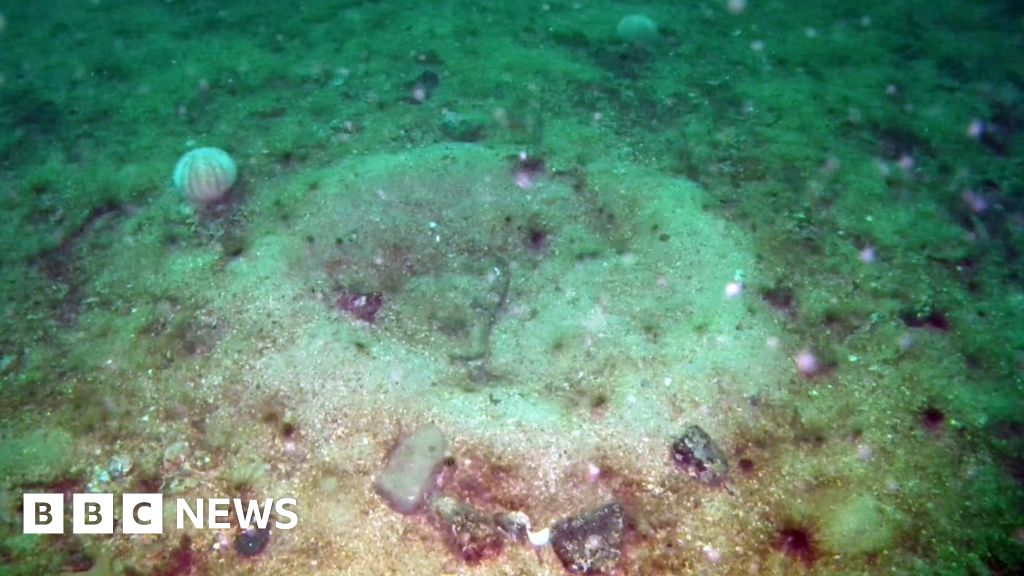
Plastic-Eating Bacteria Discovered in the Deep Ocean

A groundbreaking discovery has been made by researchers studying the Pacific Ocean’s deepest trenches. A new species of bacteria has been identified that is capable of breaking down common plastic polymers, such as polyethylene and PET, at room temperature. This discovery has been hailed as a potential turning point in the fight against ocean plastic pollution. The bacteria were found in samples taken from the hadal zone, the deepest part of the ocean, which is characterized by extreme pressure and darkness. It is believed that the bacteria have evolved unique enzymes that allow them to degrade plastic, which they may use as a carbon source. The implications of this discovery are far-reaching. Plastic pollution is one of the most pressing environmental issues of our time. It has been estimated that over eight million tons of plastic enter the ocean every year. This plastic persists for centuries, breaking down into microplastics that are ingested by marine organisms and can enter the food chain. If the bacteria could be harnessed effectively, they could play a vital role in bioremediation—the use of living organisms to clean up pollution. However, significant challenges remain. The bacteria have been shown to break down plastic slowly. Therefore, scientists must consider whether their enzymatic activity can be enhanced. Even if it cannot, the enzymes themselves could be isolated and used in industrial processes. Furthermore, the impact of introducing these bacteria into different environments must be carefully assessed. It would be irresponsible to release them without thorough testing, as they could potentially disrupt existing ecosystems. Nevertheless, the discovery has been met with cautious optimism. Environmental groups have argued that while technology can help, it should not be seen as a substitute for reducing plastic production. Others have pointed out that this is a prime example of how nature can provide solutions if we protect it. The research has been published in a leading scientific journal. The findings have been peer-reviewed and are considered robust. In conclusion, while this is not a silver bullet, it is undoubtedly an important step forward. The bacteria offer a natural component to what must be a comprehensive strategy against plastic waste. Future research will focus on scaling up the process and ensuring its safety. Only time will tell if this tiny organism can make a big enough difference.
Take a position. Out loud, if you can.
Four ways to start. Pick one and try saying it before you scroll on.
Tip · Record yourself, use in a notebook, or practice with a language partner.
What is the main advantage of the discovered bacteria?
Passive Voice
We use the passive voice when the action is more important than who does it.
“A groundbreaking discovery has been made by researchers studying the Pacific Ocean’s deepest trenches.”
What to know · B2
Try saying this aloud
Scenario: You are participating in an academic debate on environmental solutions.
- 01“It has been argued that bioremediation holds great promise.”
- 02“The evidence presented is persuasive.”
- 03“Nevertheless, we must consider the potential risks.”
Register tip · formal
🎙️ Article Audio — Kokoro TTS
Plastic-Eating Bacteria Discovered in the Deep Ocean
Adapted from Science Daily · Read the original. LectoPress rewrites the facts as original graded-reader text for language learners.
Get stories at your level, every day
B2 · EN · delivered to your inbox · unsubscribe any time
Customize language, level & topics → full preferences