The ancient art of fermentation: A sophisticated solution to food waste
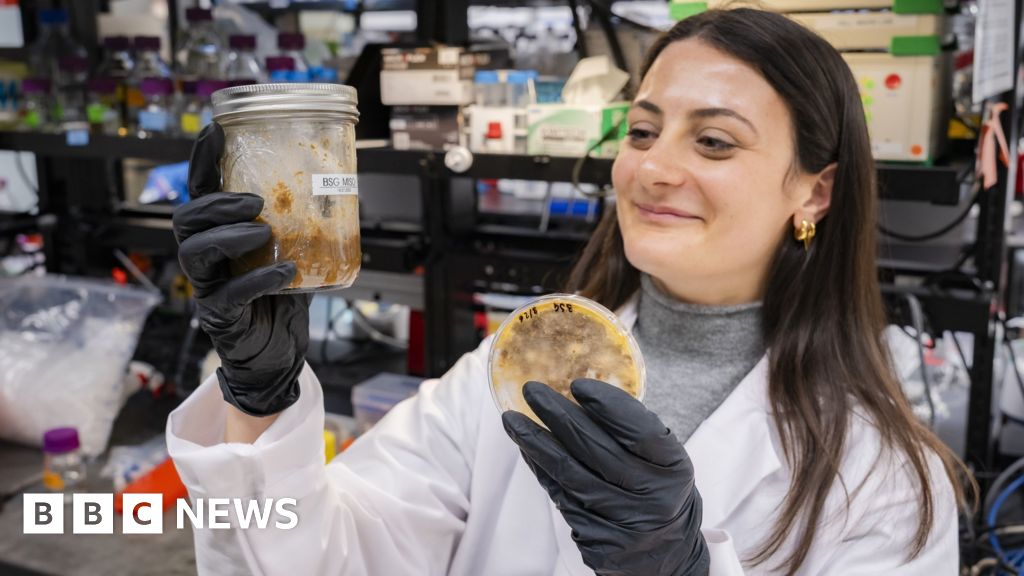
Food waste has emerged as a pressing global challenge, yet an ancient biological process—fermentation—is being harnessed to transform it into valuable commodities. Fermentation, a metabolic process whereby organisms convert carbohydrates into substances like alcohol in the absence of oxygen, is being deployed by scientists and companies to repurpose food industry by-products that would otherwise be discarded. At Stanford University, Vayu Hill-Maini's lab has engineered a cheese-like product from food waste using fungi. The resulting cheese, which bears a striking resemblance to Pecorino or Parmigiano, was produced by augmenting waste with a few ingredients and subjecting it to fungal fermentation. In the UK, Fermtech has repurposed cocoa shells—typically discarded—into a cocoa powder substitute. CEO Andy Clayton remarked that the shells possess an intensely chocolatey aroma, lamenting that such by-products are often composted or incinerated rather than valorized. In Spain, MOA Foodtech has capitalized on pea waste for fermentation. Given that pea protein constitutes merely a quarter of a pea, the remaining three quarters represents a substantial waste stream. An AI was trained by the company to optimize the selection of substrates and microorganisms. This AI has revolutionized the pace of development: whereas the company initially required two weeks to develop a single bioprocess, the platform now achieves 300 bioprocesses per hour. In Germany, MicroHarvest has utilized molasses, a by-product of the sugar industry, to produce premium pet food. The company has collaborated with sugar manufacturers and pet food producers to convert side streams into high-value products. In Singapore, Mottainai Food Tech has developed a meat substitute, Jiro Meat, from okara—a soy pulp discarded during tofu production. The company has also initiated a plant-based tuna project. Consequently, fermentation is increasingly recognized as a sophisticated tool for mitigating waste and diversifying food sources.
Take a position. Out loud, if you can.
Four ways to start. Pick one and try saying it before you scroll on.
Tip · Record yourself, use in a notebook, or practice with a language partner.
What process is being harnessed to transform food waste into valuable commodities?
Complex subordination with relative and adverbial clauses
Complex sentences with multiple clauses allow for nuanced expression. The article uses non-defining relative clauses and adverbial clauses to add detail and context.
“Fermentation, a metabolic process whereby organisms convert carbohydrates into substances like alcohol in the absence of oxygen, is being deployed by scientists and companies to repurpose food industry by-products that would otherwise be discarded.”
What to know · C1
Try saying this aloud
Scenario: Writing a policy brief on food waste reduction
- 01“Fermentation is being harnessed to transform waste.”
- 02“The AI has revolutionized the pace of development.”
- 03“By-products are being valorized rather than discarded.”
Register tip · formal
🎙️ Article Audio — Kokoro TTS
The ancient art of fermentation: A sophisticated solution to food waste
Adapted from BBC Technology · Read the original. LectoPress rewrites the facts as original graded-reader text for language learners.
Get stories at your level, every day
C1 · EN · delivered to your inbox · unsubscribe any time
Customize language, level & topics → full preferences