Fermentation: An ancient trick that has turned food waste into tasty products
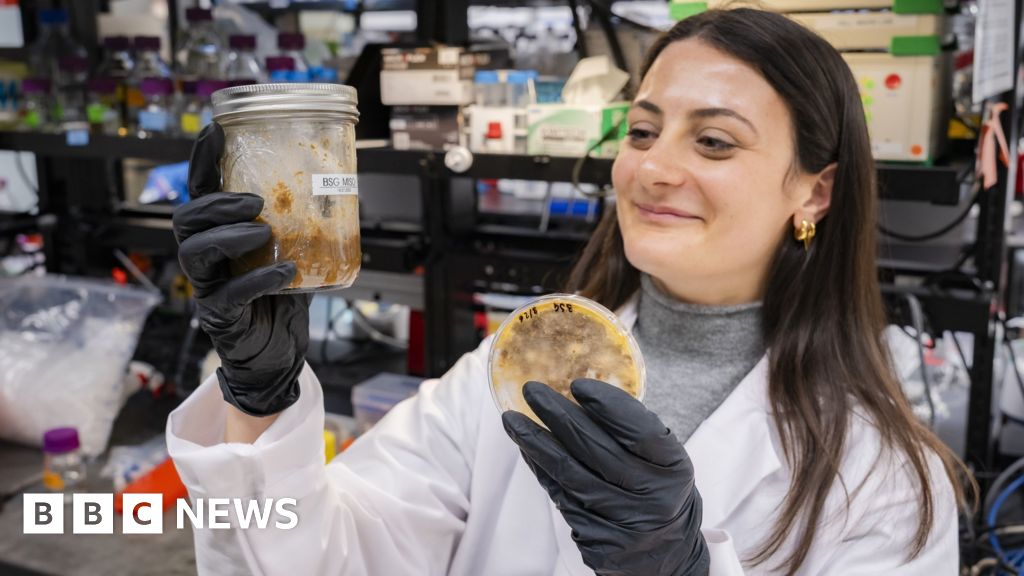
Food waste has become a major global issue, but an ancient trick called fermentation has offered a solution. Fermentation is a biological process where organisms convert carbohydrates into substances like alcohol without using oxygen. Scientists and companies have used this process to turn food waste into valuable products. At Stanford University, Vayu Hill-Maini's lab has created a cheese-like product from food waste using fungi. The cheese tastes like Pecorino or Parmigiano. The lab has found that adding a few ingredients to waste and fermenting it can produce delicious cheese. In the UK, Fermtech has transformed cocoa shells, which are normally thrown away, into a cocoa powder substitute. CEO Andy Clayton said the shells have an intense chocolatey smell. He pointed out that by-products are often composted or burnt instead of being used. In Spain, MOA Foodtech has used pea waste for fermentation. Pea protein makes up only a quarter of a pea, so three quarters is waste. The company has trained an AI to find the best combinations of substrates and microorganisms. The AI has sped up the process dramatically. When the company started, it developed one bioprocess in two weeks. Now, the platform can develop 300 bioprocesses per hour. In Germany, MicroHarvest has used molasses from the sugar industry to make pet food. The company has worked with sugar makers and pet food producers to convert side streams into premium pet food. In Singapore, Mottainai Food Tech has produced a meat substitute called Jiro Meat from okara, a soy pulp discarded after making tofu. The company has also started a plant-based tuna project. Fermentation has proven to be a powerful tool for reducing waste and creating new foods.
Take a position. Out loud, if you can.
Four ways to start. Pick one and try saying it before you scroll on.
Tip · Record yourself, use in a notebook, or practice with a language partner.
What did the Stanford lab create from food waste?
Present perfect for recent achievements
We use present perfect to talk about past actions with present relevance, often recent achievements. The article uses it to describe what companies have done.
“Scientists and companies have used this process to turn food waste into valuable products.”
What to know · B1
Try saying this aloud
Scenario: Discussing food innovation at a dinner party
- 01“They have created cheese from waste.”
- 02“The AI has sped up the process.”
- 03“I have tried a plant-based tuna.”
Register tip · semi-formal
🎙️ Article Audio — Kokoro TTS
Fermentation: An ancient trick that has turned food waste into tasty products
Adapted from BBC Technology · Read the original. LectoPress rewrites the facts as original graded-reader text for language learners.
Get stories at your level, every day
B1 · EN · delivered to your inbox · unsubscribe any time
Customize language, level & topics → full preferences