USDA confirms screwworm infection in South Texas, raising concerns about border biosecurity
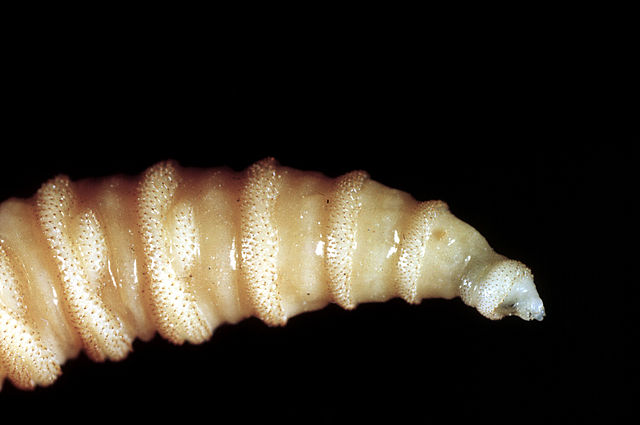
The United States Department of Agriculture (USDA) has confirmed that a flesh-eating screwworm infection has been detected in South Texas. If the infection is confirmed, it will be the first time the pest has breached the US-Mexico border. This discovery has raised significant concerns about border biosecurity and the potential for the parasite to spread. The screwworm, which is the larval stage of the Cochliomyia hominivorax fly, feeds on the living tissue of warm-blooded animals. It is considered a major threat to livestock and wildlife. The infection was identified in a wound on an animal in Cameron County, near the border. The USDA has stated that the risk to humans is low, but the risk to animals is high. The fly is attracted to open wounds and can lay up to 400 eggs at a time. Once the eggs hatch, the larvae burrow into the flesh, causing severe damage and often death if left untreated. The USDA has implemented a response plan that includes the release of sterile flies. This technique, known as the Sterile Insect Technique (SIT), has been used successfully in the past to eradicate screwworms from the United States. However, it is a costly and time-consuming process. The USDA has also established quarantine zones and is monitoring animal movements. The public has been urged to report any animals with suspicious wounds. The screwworm was eradicated from the United States in the 1960s, but it has remained a problem in parts of Central and South America. The recent detection suggests that the fly might have traveled north through Mexico. The USDA is working with Mexican authorities to control the outbreak. If the fly is not contained, it could spread to other states, causing billions of dollars in damage to the livestock industry. The situation is being taken very seriously by officials. The USDA has emphasized that early detection and reporting are crucial. The success of the containment effort depends on the cooperation of farmers, ranchers, and the public. The sterile fly program will be scaled up to release millions of flies per week in the affected area.
Take a position. Out loud, if you can.
Four ways to start. Pick one and try saying it before you scroll on.
Tip · Record yourself, use in a notebook, or practice with a language partner.
What is the scientific name of the screwworm fly?
Passive Voice
We use the passive voice when the action is more important than who does it.
“The infection was identified in a wound on an animal in Cameron County.”
What to know · B2
Try saying this aloud
Scenario: You are a veterinarian discussing the outbreak with a colleague.
- 01“The infection has been confirmed.”
- 02“Quarantine measures have been implemented.”
- 03“Early reporting is being urged by the USDA.”
Register tip · formal
🎙️ Article Audio — Kokoro TTS
USDA confirms screwworm infection in South Texas, raising concerns about border biosecurity
Adapted from Ars Technica · Read the original. LectoPress rewrites the facts as original graded-reader text for language learners.
Get stories at your level, every day
B2 · EN · delivered to your inbox · unsubscribe any time
Customize language, level & topics → full preferences