Screwworm infestation detected in South Texas: a potential breach of US border biosecurity
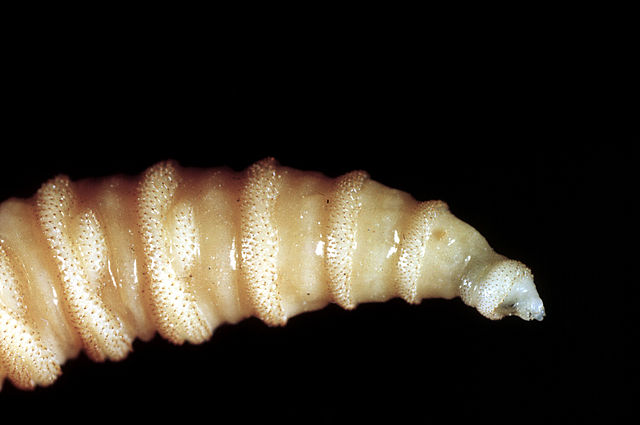
The United States Department of Agriculture (USDA) has confirmed the detection of a flesh-eating screwworm infection in South Texas, a development that, if substantiated, would represent the first incursion of this pest across the US-Mexico border. This event has precipitated a reassessment of border biosecurity protocols, given the parasite's capacity to inflict catastrophic damage on livestock and wildlife populations. The screwworm, the larval stage of the Cochliomyia hominivorax fly, is an obligate parasite that feeds on the living tissue of warm-blooded vertebrates. Its presence in Cameron County, identified within a wound on a domestic animal, suggests that the fly may have migrated northward through Mexico, evading existing surveillance measures. The USDA has indicated that the risk to human health is negligible, but the threat to animal health is substantial. The fly is attracted to any open wound, where it deposits up to 400 eggs. Upon hatching, the larvae burrow into the host's flesh, causing extensive tissue damage, secondary infections, and, in the absence of intervention, mortality. The USDA's response strategy hinges on the deployment of the Sterile Insect Technique (SIT), a method that was instrumental in eradicating screwworms from the United States in the 1960s. This approach involves the mass release of sterilized male flies, which mate with wild females, resulting in no offspring and a subsequent decline in the population. However, the success of this program is contingent upon sustained funding, logistical coordination, and the cooperation of stakeholders. Quarantine zones have been established, and animal movements are being rigorously monitored. The USDA has implored the public to report any animals exhibiting suspicious wounds. The implications of this incursion are profound. If the fly establishes a foothold, it could proliferate across the southern United States, potentially causing billions of dollars in economic losses to the agricultural sector. Furthermore, it could have deleterious effects on native wildlife, including endangered species. The USDA is collaborating with Mexican authorities to contain the outbreak, but the porous nature of the border presents a formidable challenge. The detection serves as a stark reminder of the vulnerabilities inherent in global biosecurity systems and the need for continuous vigilance.
Take a position. Out loud, if you can.
Four ways to start. Pick one and try saying it before you scroll on.
Tip · Record yourself, use in a notebook, or practice with a language partner.
What would the detection represent if confirmed?
Complex Subordination
Complex subordination uses clauses like 'if', 'although', and 'which' to show relationships between ideas.
“If substantiated, this would represent the first incursion of this pest across the US-Mexico border.”
What to know · C1
Try saying this aloud
Scenario: You are writing a policy brief on biosecurity threats.
- 01“The incursion underscores the need for enhanced surveillance.”
- 02“Containment efforts are contingent upon sustained inter-agency collaboration.”
- 03“The potential economic ramifications are profound.”
Register tip · academic
🎙️ Article Audio — Kokoro TTS
Screwworm infestation detected in South Texas: a potential breach of US border biosecurity
Adapted from Ars Technica · Read the original. LectoPress rewrites the facts as original graded-reader text for language learners.
Get stories at your level, every day
C1 · EN · delivered to your inbox · unsubscribe any time
Customize language, level & topics → full preferences