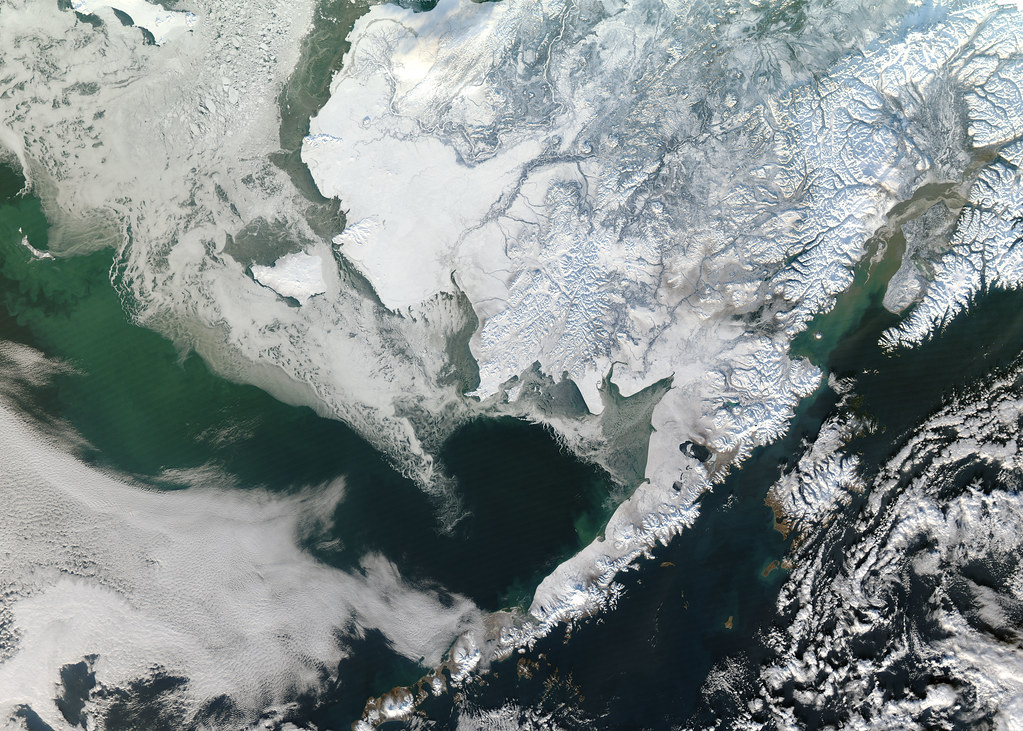
Global Heat Records Shattered in August

August 2026 was the hottest month on record, with global temperatures exceeding the 1.5 degrees Celsius Paris agreement threshold. This warming is driven by human-caused climate change and El Niño. The United States experienced its hottest summer since the 1936 Dust Bowl, causing significant infrastructure and public health issues. Scientists warn that these events are no longer abstract, as they now disrupt daily life. The consensus is that continued reliance on fossil fuels will result in more frequent record-breaking heat, necessitating urgent policy changes.
August 2026 has been officially designated as the hottest month ever measured by scientists, marking a significant escalation in global warming. According to data from the European climate service Copernicus, the planet's average temperature slightly surpassed the previous record established in July 2023. This trend confirms that the climate system is operating well outside historical expectations. Experts emphasize that this warming is not an anomaly but rather the result of a dangerous combination of human-induced climate change and a powerful El Niño event. While El Niño contributes to temporary temperature spikes, the relentless burning of fossil fuels remains the primary driver of this long-term trend.
Globally, temperatures were 1.65 degrees Celsius above pre-industrial levels, which exceeds the 1.5 degrees Celsius threshold defined by the 2015 Paris agreement. This breach of international climate goals highlights the urgency of the crisis. In the United States, the summer of 2026 was the hottest on record, surpassing the temperatures observed during the 1936 Dust Bowl. The impact of this heat has been profound, with infrastructure such as roads and train lines suffering from the extreme conditions. Furthermore, ocean temperatures reached a record high, with August 22 marking the hottest day ever recorded for the world's seas.
Climate scientists argue that we must move beyond surprise at these records. As Texas A&M University researcher Andrew Dessler noted, the question is not whether we will continue to break records, but whether we will take meaningful action. The transition from abstract climate data to tangible, disruptive events—such as overwhelmed hospitals and closed schools—demonstrates that the climate crisis is now directly affecting daily life. Unless there is a significant shift in energy policy and a reduction in greenhouse gas emissions, these record-shattering months will likely continue to occur, further destabilizing the global environment.
Take a position. Out loud, if you can.
Four ways to start. Pick one and try saying it before you scroll on.
Tip · Record yourself, use in a notebook, or practice with a language partner.
What does the text suggest about the future of heat records?
Passive Voice
Used to focus on the action rather than the actor.
“August 2026 has been officially designated as the hottest month ever measured by scientists, marking a significant escalation in global warming.”
What to know · B2
Try saying this aloud
Scenario: Formal discussion
- 01“It is worth noting that...”
- 02“The data indicates...”
- 03“This highlights the need for...”
Register tip · formal
🔑Key Phrases
Shows formal classification.
The area was designated as a park.
Identifies the cause.
This is a human-induced error.
Describes the violation.
This is a breach of the rules.
Compares historical data.
Surpassing the goal, she won.
Shows the consequence.
The wind is destabilizing the tree.
Article Audio — Kokoro TTS
Global Heat Records Shattered in August
💬Discussion Questions
Open-ended questions to talk or write about — alone, with a partner, or in class.
- 1
How should governments balance economic growth with climate action?
Opinion - 2
Is the Paris agreement an effective tool for global change?
Evaluate - 3
How does the concept of 'climate anxiety' affect public policy?
Evaluate - 4
Compare the impact of heat on urban versus rural environments.
Compare - 5
What technological innovations could help us survive a warmer world?
Predict - 6
How do you personally evaluate the urgency of the climate crisis?
Personal - 7
Should wealthy nations bear more responsibility for climate change?
Opinion - 8
How might future generations view our current response to climate change?
Predict
News sourced from: Phys.org →. LectoPress rewrites the facts as original graded-reader text for language learners.
Get stories at your level, every day
B2 · EN · delivered to your inbox · unsubscribe any time
Customize language, level & topics → full preferences