NASA Observes Isaias Impact on the Gulf Coast

Storm Isaias recently moved across the Gulf Coast, causing significant weather changes. NASA monitored the storm using satellites, which provided essential data for researchers. The storm's size blocked sunlight and brought strong winds to the region. By analyzing this information, scientists can better understand weather patterns and improve future predictions. This ongoing research is vital for public safety and helps experts learn more about how our planet's climate behaves during such natural events.
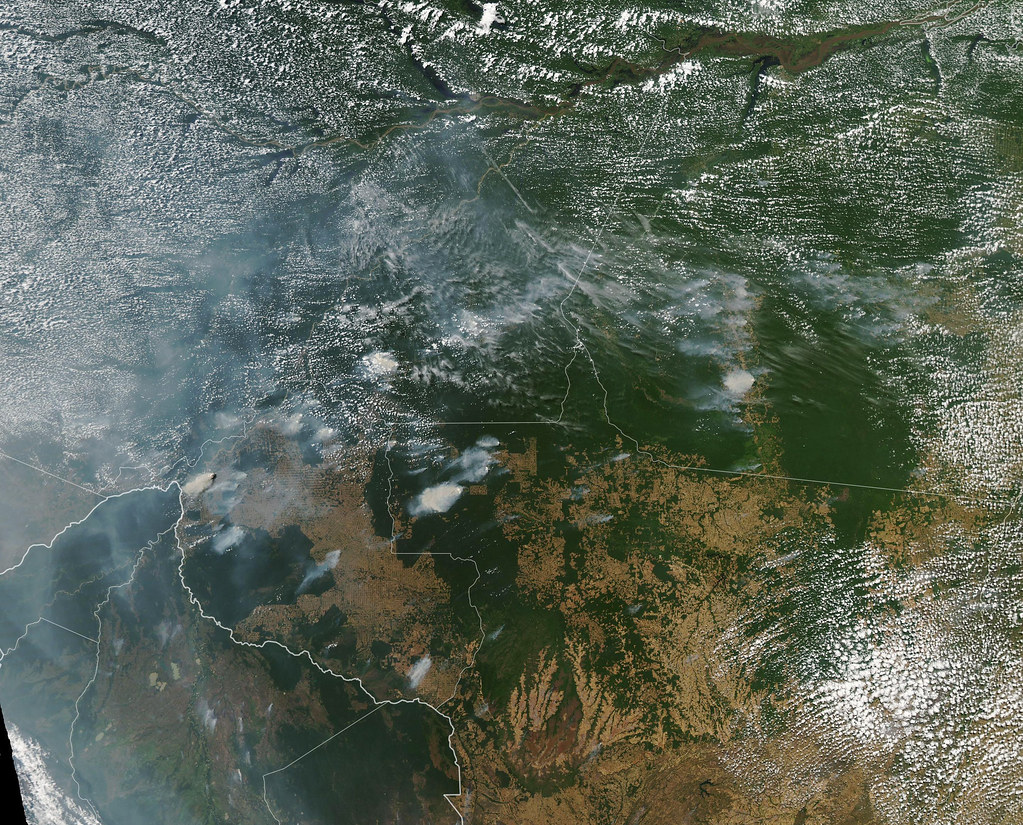
Recently, the Gulf Coast experienced a significant weather event as storm Isaias moved through the region. NASA, which monitors Earth from space, utilized its satellites to observe the storm's progression. These satellites provide critical data that helps scientists understand how such storms develop and impact the environment. Because the storm was particularly large, it created a massive cloud cover that blocked sunlight, causing the area to darken significantly. Residents along the coast witnessed strong winds and rough waters as the system passed. NASA’s ability to track these events from orbit is essential for modern safety. By analyzing the data collected, researchers can determine the storm's path and intensity. This information is then shared to help people prepare for potential dangers. Beyond just immediate observation, this research contributes to a broader understanding of climate patterns. Scientists often compare current storms to historical data to identify trends in weather behavior. This helps the scientific community improve the models used to predict future weather events. While the storm has now moved on, the data it provided remains a valuable resource for study. NASA continues to prioritize Earth science, ensuring that we have the technology to watch our planet closely. The mission to observe the atmosphere is ongoing, as researchers work to unlock the mysteries of our changing environment. Understanding these natural phenomena is a key part of NASA's work, which extends far beyond space exploration. As we look at the images captured by these satellites, we gain a better perspective on the power of nature. The Gulf Coast, like many other regions, benefits from this constant vigilance. By studying the past, scientists hope to create a safer future for everyone living on the coast.
Take a position. Out loud, if you can.
Four ways to start. Pick one and try saying it before you scroll on.
Tip · Record yourself, use in a notebook, or practice with a language partner.
How did NASA monitor the storm?
Relative Clauses
Using 'which' or 'that' to add information about a noun.
“NASA, which monitors Earth from space, utilized its satellites to observe the storm's progression.”
What to know · B1
Try saying this aloud
Scenario: Explaining a scientific process
- 01“The data helps us understand...”
- 02“We utilize this to...”
- 03“It contributes to our knowledge.”
Register tip · formal
🔑Key Phrases
Adds descriptive info.
My car, which is old, broke down.
Describes the data.
The book that I read was good.
Describes scientific analysis.
We identified trends in the market.
Metaphorical description of research.
He tried to unlock the secrets.
💬Discussion Questions
Open-ended questions to talk or write about — alone, with a partner, or in class.
- 1
How do you think weather forecasting has improved in the last decade?
Compare - 2
Is it the government's responsibility to protect citizens from natural disasters?
Opinion - 3
What are the benefits of studying Earth from space?
Evaluate - 4
How might our lives change if we could predict weather perfectly?
Predict - 5
Do you feel that modern life makes us disconnected from nature?
Personal - 6
What kind of data do you think is most important for scientists to collect?
Evaluate - 7
How would you explain the importance of NASA to someone who thinks it is a waste of money?
Evaluate - 8
Do you think extreme weather events are becoming more common?
Opinion - 9
What role should international cooperation play in climate science?
Opinion
News sourced from: NASA →. LectoPress rewrites the facts as original graded-reader text for language learners.
Get stories at your level, every day
B1 · EN · delivered to your inbox · unsubscribe any time
Customize language, level & topics → full preferences