Tracking Storm Isaias from Space

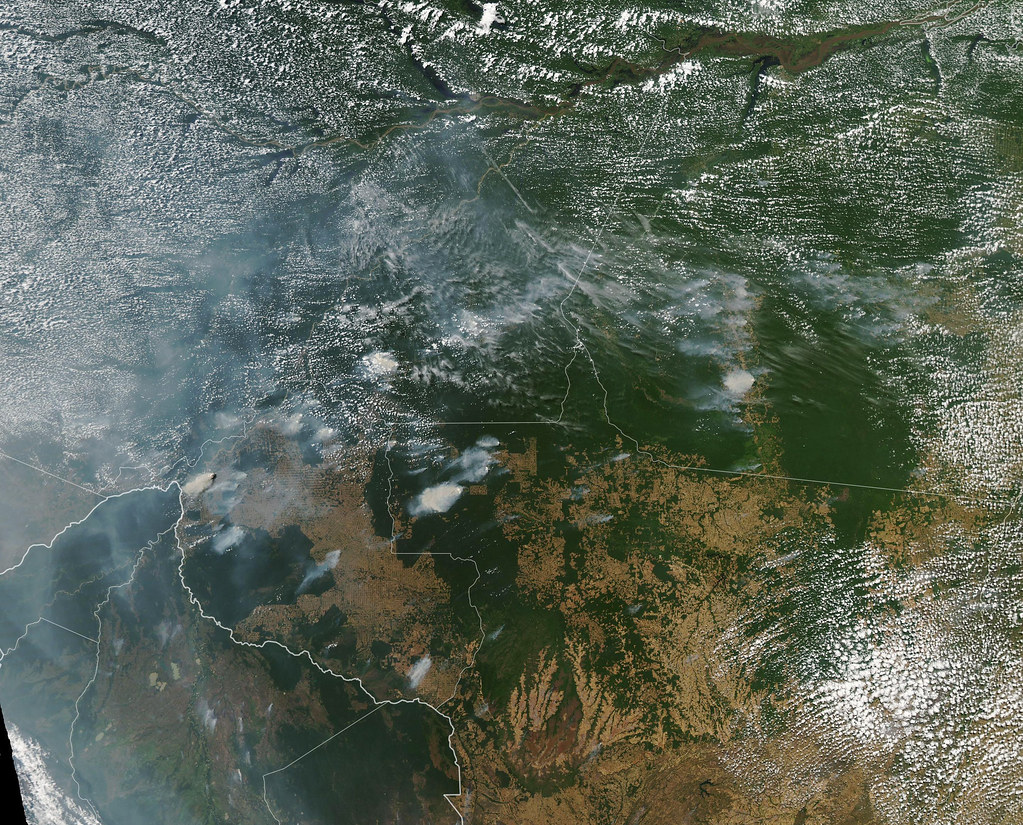
A storm named Isaias recently hit the Gulf Coast. NASA used satellites to watch the storm from space. The storm was large and made the sky dark. NASA scientists studied the data to understand the storm's path. This information is helpful for safety and future weather research.
Recently, a powerful storm named Isaias moved across the Gulf Coast. This weather event caused significant changes in the region. NASA scientists observed the storm from high above the Earth. They used satellites to capture images of the clouds and the water. Because the storm was so large, it blocked the sun and made the day feel quite dark. Many people living near the coast watched the sky as the clouds arrived. The wind became strong, and the water grew rough. It was a difficult time for everyone in that area. NASA satellites are important tools for this kind of research. They allow experts to see the path of a storm from space. By looking at the data, scientists can understand how the storm moves and changes. This information helps people prepare for bad weather. The Gulf Coast is a busy place, so tracking these events is necessary for safety. NASA continues to watch the Earth from orbit every day. They study the atmosphere to learn more about our planet. Even when a storm is gone, the data remains useful for future studies. Scientists compare this storm to others they have seen before. They want to know why some storms are stronger than others. The work that NASA does helps us understand the world better. We can see the beauty and the danger of nature through their eyes. The satellites provide a clear picture of what happens below. It is a constant mission to keep an eye on the planet. As Isaias moved on, the skies cleared up again. People returned to their daily lives, but the memory of the storm stayed. NASA keeps working to track the next big event in the sky.
Take a position. Out loud, if you can.
Four ways to start. Pick one and try saying it before you scroll on.
Tip · Record yourself, use in a notebook, or practice with a language partner.
What did NASA use to watch the storm?
Past Simple
We use the past simple to talk about finished events.
“Recently, a powerful storm named Isaias moved across the Gulf Coast.”
What to know · A2
Try saying this aloud
Scenario: Discussing recent news
- 01“Did you see the news?”
- 02“It was a big storm.”
- 03“They are studying the data.”
Register tip · informal
🔑Key Phrases
Introduces the subject.
A big dog named Spot.
Describes the role of technology.
Books are important tools for learning.
Explains why we watch storms.
Eating healthy is necessary.
💬Discussion Questions
Open-ended questions to talk or write about — alone, with a partner, or in class.
- 1
How does technology change how we live?
Evaluate - 2
Do you think we can control the weather in the future?
Predict - 3
What is the most dangerous weather event in your country?
Compare - 4
How would you prepare if a big storm was coming?
Personal - 5
Do you trust weather reports on the news?
Opinion - 6
Is it better to live near the coast or in the mountains?
Compare - 7
What could happen if we did not have satellites?
Predict - 8
Why is it important to learn about our planet?
Evaluate
News sourced from: NASA →. LectoPress rewrites the facts as original graded-reader text for language learners.
Get stories at your level, every day
A2 · EN · delivered to your inbox · unsubscribe any time
Customize language, level & topics → full preferences