Satellite Observations of Isaias and Gulf Coast Dynamics

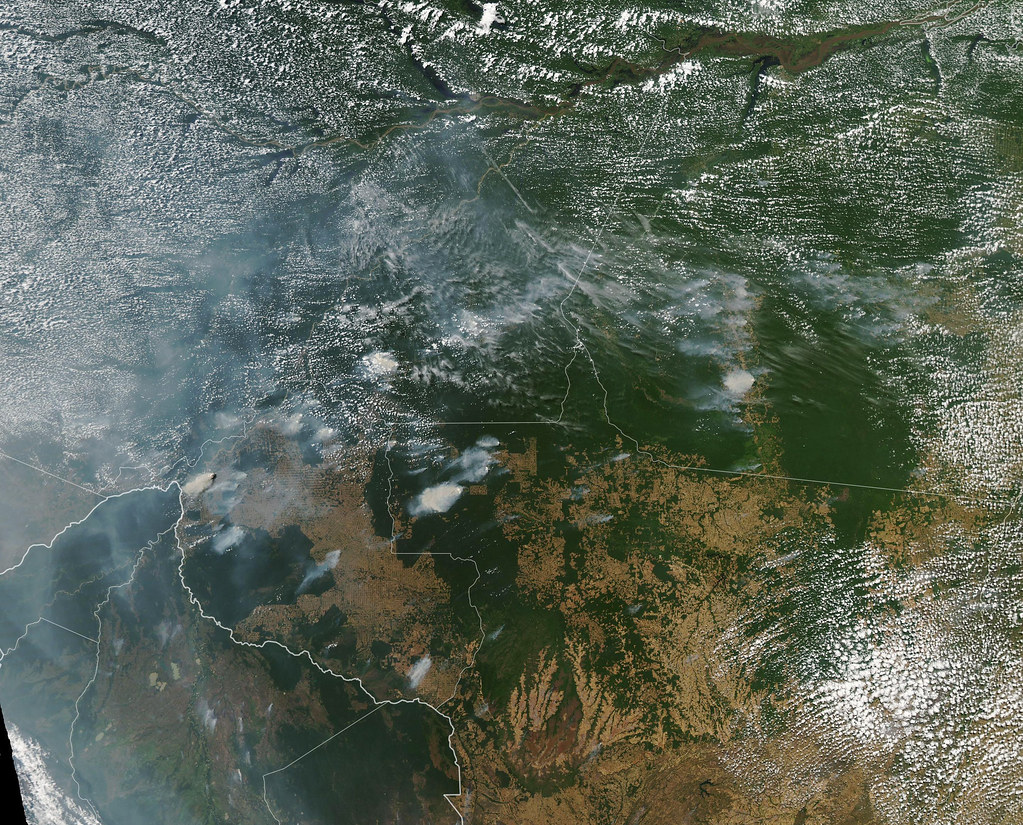
Storm Isaias recently impacted the Gulf Coast, providing NASA with an opportunity to utilize its satellite technology for detailed atmospheric observation. The storm's massive cloud structure caused a significant reduction in daylight, while high-velocity winds affected the region. NASA's analysis of this data is crucial for refining predictive models and identifying long-term climate trends. This ongoing research underscores the importance of satellite-based monitoring in enhancing public safety and deepening our scientific understanding of the complex dynamics within Earth's environment.
The recent passage of storm Isaias across the Gulf Coast served as a stark reminder of the volatile nature of regional weather systems. NASA, leveraging its sophisticated array of Earth-observing satellites, provided a comprehensive view of the storm's development and trajectory. By monitoring the atmosphere from orbit, researchers were able to capture high-resolution imagery that detailed the storm's immense cloud structure. This cloud cover was so pervasive that it significantly obscured solar radiation, resulting in a noticeable dimming of the daylight hours across the affected coastal areas. Residents in the path of the system reported high-velocity winds and turbulent seas, underscoring the severity of the event. The data acquired during this period is invaluable, as it allows scientists to refine their predictive models and enhance our understanding of storm intensity. Furthermore, the information is synthesized with historical records to identify long-term climate trends, which is essential for developing effective mitigation strategies. While the immediate threat has subsided, the scientific analysis of the event continues. NASA’s commitment to Earth science remains steadfast, with ongoing missions designed to scrutinize the complexities of our changing planet. By examining the interplay between atmospheric conditions and oceanic responses, researchers hope to improve the accuracy of future forecasts. Such efforts are critical, particularly as coastal communities face increasing exposure to extreme weather. The study of Isaias is not merely an isolated case; rather, it is part of a broader, continuous effort to observe and comprehend the dynamics of Earth's environment. Through this rigorous observation, NASA provides the necessary tools for both public safety and scientific advancement. As we continue to face the challenges posed by a dynamic climate, the role of satellite-based observation becomes increasingly indispensable, ensuring that we remain informed and prepared for the environmental shifts that lie ahead.
Take a position. Out loud, if you can.
Four ways to start. Pick one and try saying it before you scroll on.
Tip · Record yourself, use in a notebook, or practice with a language partner.
How did the storm affect daylight hours?
Passive Voice
Used to emphasize the action or the receiver of the action rather than the doer.
“The data acquired during this period is invaluable, as it allows scientists to refine their predictive models and enhance our understanding of storm intensity.”
What to know · B2
Try saying this aloud
Scenario: Presenting a formal report
- 01“The data underscores the severity of...”
- 02“This is part of a broader effort to...”
- 03“It allows us to refine our models.”
Register tip · formal
🔑Key Phrases
Describes the instability of weather.
The volatile nature of the stock market.
Describes satellite capabilities.
The camera that I bought has high-resolution.
Emphasizes the impact.
The report, underscoring the risks, was published.
Refers to safety planning.
We need better mitigation strategies.
Explains the value of the tech.
The tool is indispensable, ensuring success.
💬Discussion Questions
Open-ended questions to talk or write about — alone, with a partner, or in class.
- 1
How does the ability to monitor the planet change our relationship with nature?
Evaluate - 2
To what extent should governments prioritize climate research over other spending?
Opinion - 3
How might future technologies change our ability to respond to natural disasters?
Predict - 4
In what ways do you think the media influences our perception of climate events?
Evaluate - 5
What are the potential dangers of relying on predictive models?
Evaluate - 6
How would you compare the importance of space exploration versus Earth-focused research?
Compare - 7
What personal responsibilities do we have toward the environment?
Personal - 8
How do you think global cooperation could improve disaster management?
Predict - 9
What role does scientific literacy play in a modern democracy?
Opinion
News sourced from: NASA →. LectoPress rewrites the facts as original graded-reader text for language learners.
Get stories at your level, every day
B2 · EN · delivered to your inbox · unsubscribe any time
Customize language, level & topics → full preferences