Protein Communication Pathway Identified as Vector for Alzheimer's Pathology
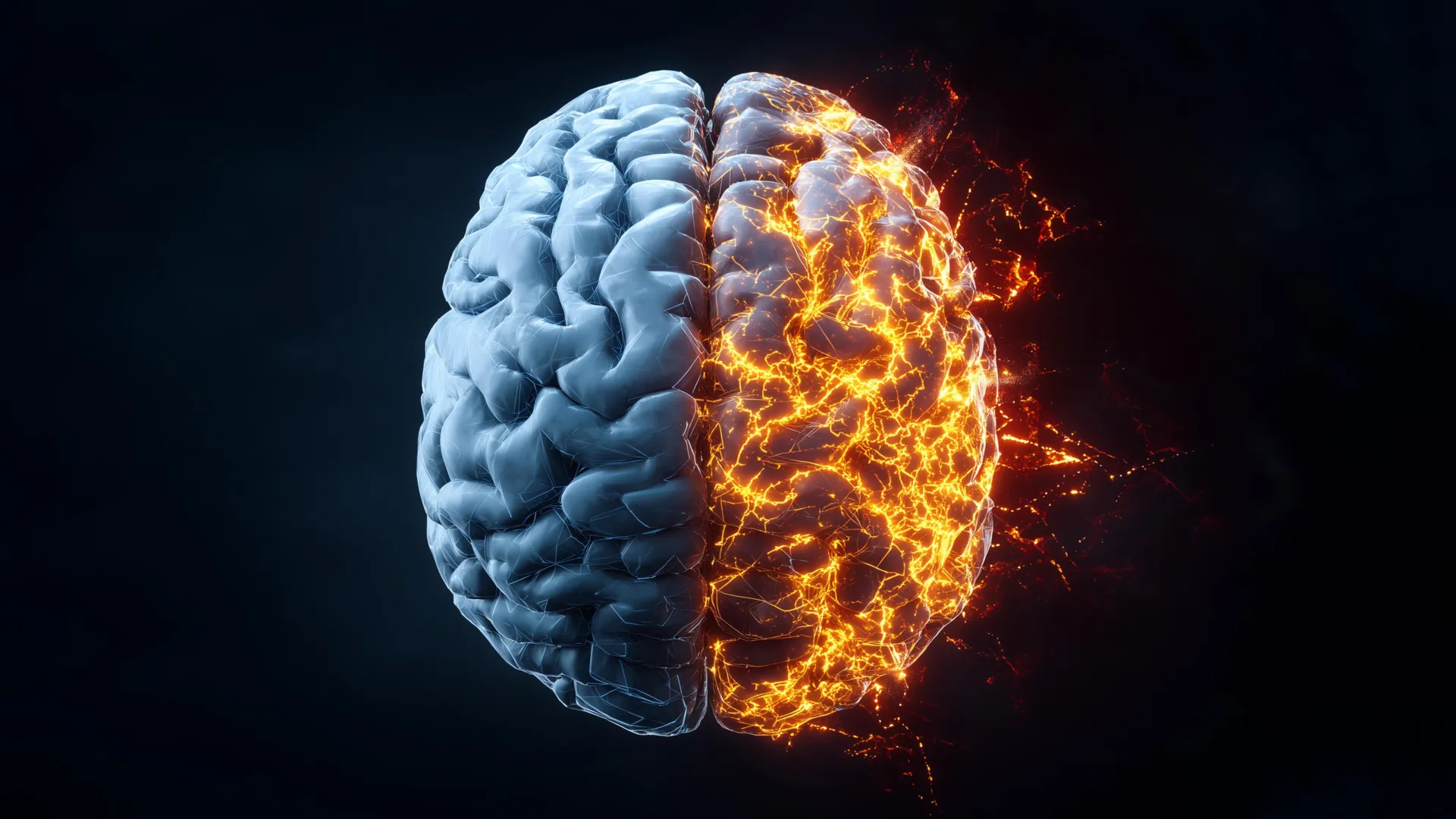
Alzheimer's pathology is driven by the intercellular spread of toxic Tau proteins, which accumulate into destructive cellular tangles. Researchers at University of Utah Health discovered that Arc, a protein crucial for neural communication, facilitates this transmission. Under normal conditions, Arc is exported inside extracellular vesicles, but toxic Tau hijacks these microscopic sacs to infect healthy neurons. Although eliminating Arc in mice severely reduced Tau transmission, it simultaneously accelerated the death of already damaged neurons by trapping toxic proteins inside. Consequently, future clinical interventions will likely aim to intercept these vesicles before they enter healthy cells rather than preventing their initial release.
Alzheimer's disease is characterized by the accumulation of a toxic protein known as Tau, which systematically destroys brain cells, thereby causing progressive cognitive decline and memory loss. While Tau is present in all neurons, it aggregates during the disease into sticky tangles that disrupt the cell's internal transport mechanism. Postdoctoral researcher Dr. Mitali Tyagi compared these destructive tangles to 'glue monsters' that disintegrate into smaller seeds, which subsequently migrate to neighboring healthy cells and corrupt their native proteins.
In a groundbreaking study published in the journal Cell, neurobiologists at University of Utah Health investigated this transmission process using mouse models. They discovered that Arc, a protein crucial for communication between neurons, is utilized by toxic Tau to navigate from cell to cell. Normally, Arc packages itself into extracellular vesicles—microscopic membrane-bound sacs—to carry vital signals across synaptic clefts. However, the researchers demonstrated that toxic Tau attaches to Arc inside these vesicles, thereby exploiting the brain's communication system to spread disease.
By comparing mouse models with and without the protein, the team observed that when Arc was absent, the intercellular transfer of Tau was almost entirely eliminated. Notwithstanding this finding, the researchers discovered that Arc also performs a vital protective function by enabling damaged neurons to expel excess Tau and survive longer. Had Arc been completely absent, the sick cells would have succumbed to the rapid accumulation of intracellular Tau much more quickly. Consequently, intercepting the vesicles before they enter healthy neurons, rather than blocking their release, appears to be the most promising therapeutic strategy.
Although extracellular vesicles containing Arc and Tau were identified in human tissue, indicating this pathway is likely to exist in humans, clinical applications remain distant. Senior author Jason Shepherd emphasized that while the mouse data is encouraging, extensive human research is necessary before any therapy can be developed.
Take a position. Out loud, if you can.
Four ways to start. Pick one and try saying it before you scroll on.
Tip · Record yourself, use in a notebook, or practice with a language partner.
What role does the protein Arc play in the transmission of Alzheimer's disease?
Participle and Reduced Clauses
Using past participles to create compact relative or adverbial clauses, reducing sentence length while maintaining formal precision.
“In a groundbreaking study published in the journal Cell, neurobiologists at University of Utah Health investigated this transmission process using mouse models.”
What to know · C1
Try saying this aloud
Scenario: You are discussing the implications of neurodegenerative research at an academic seminar.
- 01“The clinical applications remain distant.”
- 02“This pathway is likely to exist.”
- 03“It performs a vital protective function.”
Register tip · formal
🔑Key Phrases
The gradual worsening of brain functions such as thinking, remembering, and reasoning.
Dementia is marked by progressive cognitive decline over several years.
An essential role that defends or preserves the health of a biological system or cell.
The blood-brain barrier performs a vital protective function for the central nervous system.
Having a high probability of occurring or being present in the human species.
The newly discovered pathway is likely to exist in humans as well.
Practical treatments or medical usages are still a long way off from being realized.
While laboratory results are promising, clinical applications remain distant.
Taking unfair or damaging advantage of the signaling pathways inside the brain.
Certain neurotoxins spread by exploiting the brain's communication system.
Article Audio — Kokoro TTS
Protein Communication Pathway Identified as Vector for Alzheimer's Pathology
💬Discussion Questions
Open-ended questions to talk or write about — alone, with a partner, or in class.
- 1
To what extent is it justifiable to prioritize funding for neurodegenerative diseases over infectious ones?
Evaluate - 2
How do you evaluate the reliability of early-stage animal models in predicting human clinical outcomes?
Evaluate - 3
In what ways might the commercialization of breakthroughs like this affect global healthcare equity?
Opinion - 4
How should researchers navigate the pressure to publish findings quickly versus ensuring absolute clinical safety?
Opinion - 5
What are your predictions regarding how neuroscience will redefine our understanding of consciousness and memory?
Predict - 6
How do the socioeconomic impacts of dementia in developing nations compare to those in developed countries?
Compare - 7
How has your personal perception of aging and mental capacity changed as you have grown older?
Personal - 8
Should clinical trials for terminal conditions have lower regulatory thresholds to accelerate access to potential treatments?
Evaluate - 9
How does public skepticism of scientific consensus impact the implementation of new public health initiatives?
Opinion
Adapted from ScienceDaily · Read the original. LectoPress rewrites the facts as original graded-reader text for language learners.
Get stories at your level, every day
C1 · EN · delivered to your inbox · unsubscribe any time
Customize language, level & topics → full preferences