Forgotten Tail Bone Identified as Antarctica's First Dinosaur Fossil
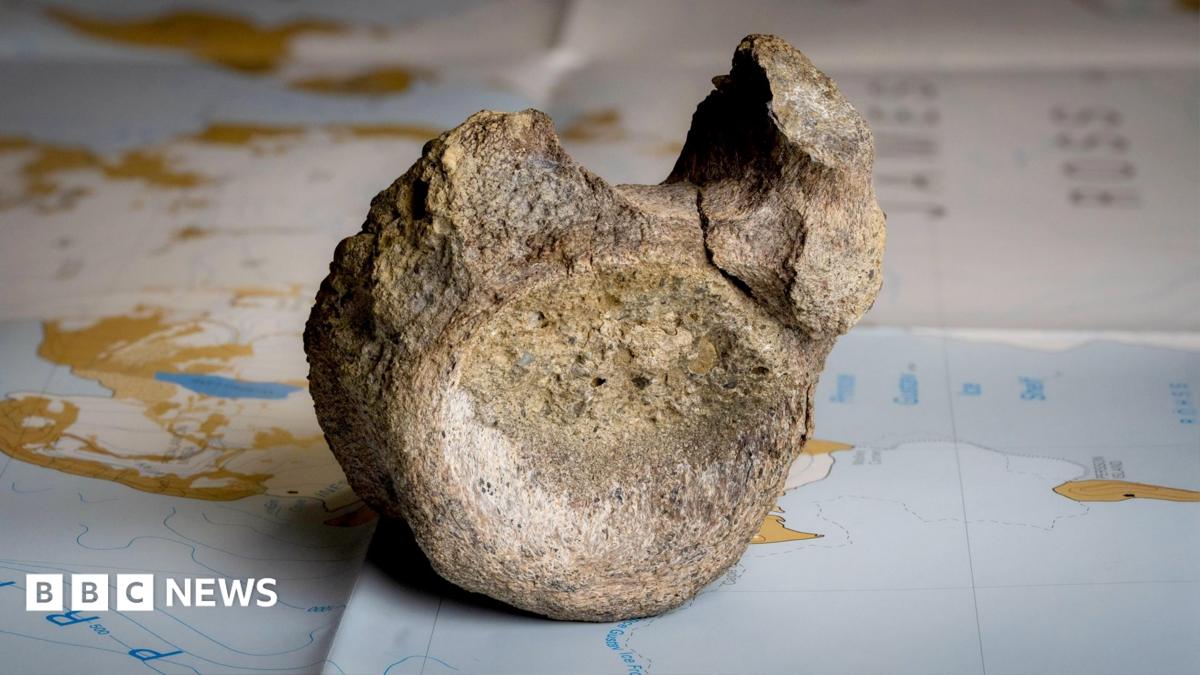
A fossil that spent forty years forgotten in a drawer in Cambridge has been identified as the first dinosaur bone ever found in Antarctica. The specimen was collected in nineteen eighty-five, but geologists originally believed it belonged to a marine reptile. Recently, Doctor Evans recognized its dinosaur-like features, and Professor Barrett confirmed it was a Titanosaur tail bone. This seven-meter-long plant eater lived eighty-two million years ago, when Antarctica was covered in lush forests rather than ice.
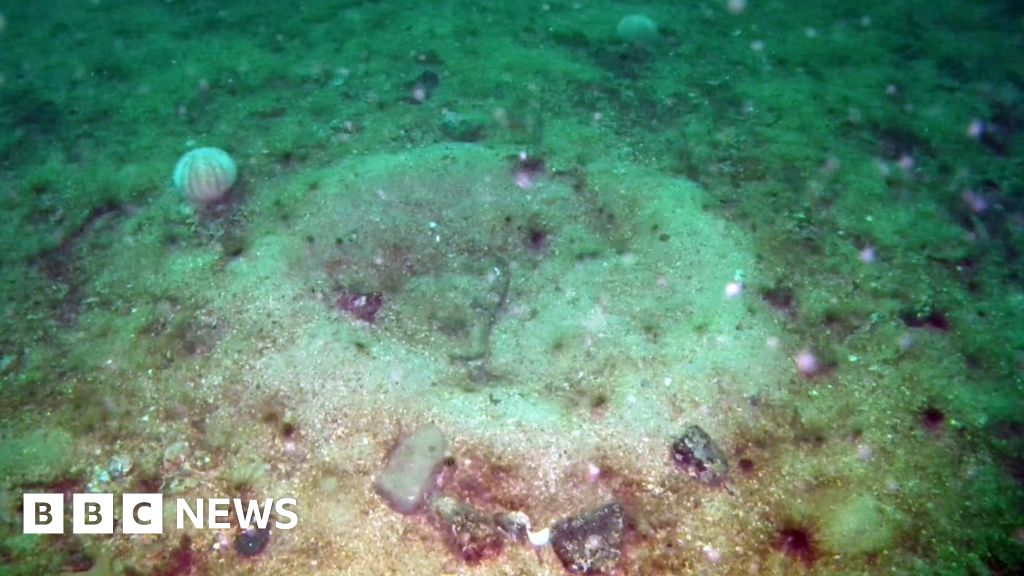
An unassuming fossil that stayed in a storage drawer for forty years is the first dinosaur bone discovered in Antarctica. The specimen was originally unearthed in 1985 on James Ross Island, but the team was uncertain about its identity. Consequently, they stored it in the British Antarctic Survey collections in Cambridge, where it remained completely unnoticed.
The breakthrough occurred when collections manager Dr. Mark Evans spotted the fossil while cataloguing thousands of polar specimens. He noticed that it resembled a dinosaur vertebra, which contrasted with the team's original theory that it belonged to a marine reptile. Dr. Mike Thomson sketched the ten-centimeter fossil in his notebook on 9 December 1985, describing it as a reptile vertebra.
To verify his theory, Evans contacted Professor Paul Barrett from the Natural History Museum. Barrett examined the fossil and confirmed that it was a tail bone belonging to a Titanosaur. This group contains the largest herbivorous dinosaurs that ever walked the Earth, with some species growing over thirty-five meters long.
Based on the size of this specific vertebra, the scientists estimated that this Antarctic dinosaur was approximately seven meters long. The biggest species weighed about sixty tonnes, whereas this animal was probably a juvenile or a small adult. This creature inhabited Antarctica eighty-two million years ago, when the region was covered in lush forests rather than ice.
The discovery is significant because the fossil record in Antarctica is very sparse due to the challenging ice cover. Barrett explained that the fossil shows how habitable this continent once was and helps scientists understand the ancient polar ecosystems.
Take a position. Out loud, if you can.
Four ways to start. Pick one and try saying it before you scroll on.
Tip · Record yourself, use in a notebook, or practice with a language partner.
Who first sketched the ten-centimeter fossil in a field notebook?
Relative Clauses with Which
We use non-defining relative clauses starting with 'which' to add extra information about a whole situation or an object described previously.
“He noticed that it resembled a dinosaur vertebra, which contrasted with the team's original theory that it belonged to a marine reptile.”
What to know · B2
Try saying this aloud
Scenario: You are summarizing a scientific debate or research findings.
- 01“An unassuming fossil that stayed in”
- 02“He noticed that it resembled”
- 03“based on the size of this specific vertebra”
Register tip · formal
🔑Key Phrases
Subject noun phrase containing a defining relative clause.
An unassuming fossil that stayed in a storage drawer was finally identified.
Reports a physical observation using a that-clause.
He noticed that it resembled a dinosaur vertebra under the microscope.
Used to introduce evidence or reasoning for an estimation.
Based on the size of this specific vertebra, they knew it was huge.
Speculates on the age or growth stage of the animal.
The fossil was probably a juvenile or a small adult.
Describes the educational or scientific utility of the discovery.
This work helps scientists understand the ancient polar ecosystems better.
🎙️ Article Audio — Kokoro TTS
Forgotten Tail Bone Identified as Antarctica's First Dinosaur Fossil
💬Discussion Questions
Open-ended questions to talk or write about — alone, with a partner, or in class.
- 1
To what extent can accidental discoveries in dusty drawers alter our scientific understanding?
Evaluate - 2
How might the realization that Antarctica once hosted lush ecosystems affect our predictions about future climate shifts?
Predict - 3
Compare the scientific value of a single, small bone to that of a complete dinosaur skeleton.
Compare - 4
What are the ethical implications of removing historical fossils from their original locations?
Opinion - 5
How would you design a museum exhibit to convey the vast timeline of Earth's history?
Personal - 6
In what ways do you think scientific institutions should balance archiving old specimens with funding new expeditions?
Evaluate - 7
What challenges do scientists face when trying to rebuild ancient food chains from sparse fossil records?
Compare - 8
Why do some scientific fields, like palaeontology, capture the public imagination more than others?
Opinion - 9
If you were offered a grant to study any remote region on Earth, where would you go?
Personal
Adapted from BBC Science · Read the original. LectoPress rewrites the facts as original graded-reader text for language learners.
Get stories at your level, every day
B2 · EN · delivered to your inbox · unsubscribe any time
Customize language, level & topics → full preferences