Antarctic Fossil Identified after Forty Years in Drawer
In nineteen eighty-five, scientists found a small fossil in Antarctica. They stored the bone in a Cambridge drawer for forty years because they did not know its identity. Recently, Doctor Evans studied the shape and confirmed it was a Titanosaur tail bone. Eighty-two million years ago, this plant-eating dinosaur lived in Antarctica when it was a warm and green forest.
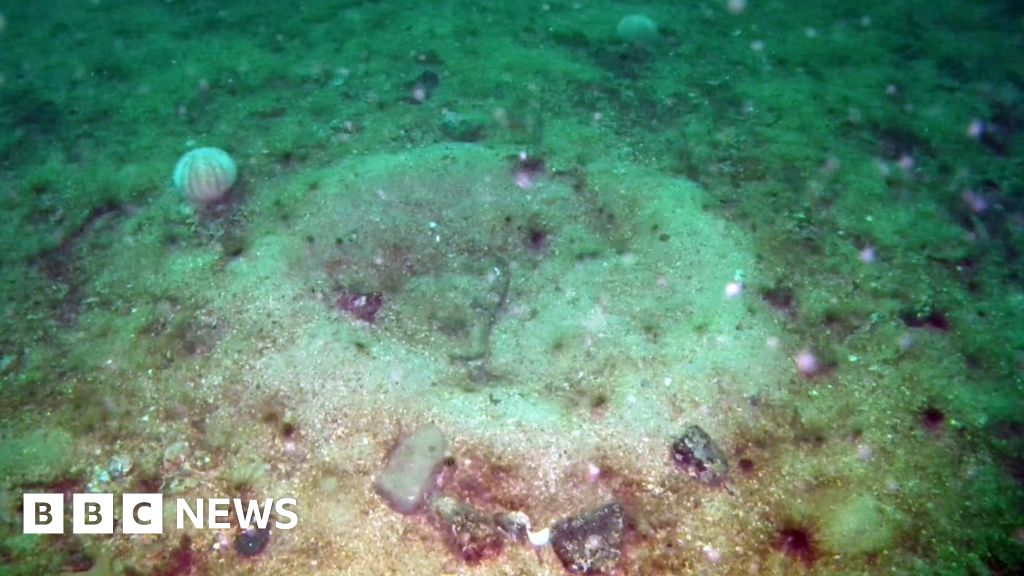
In 1985, a scientific team visited James Ross Island in Antarctica. They found a small fossil during their expedition. However, the team did not know the identity of the fossil. They believed the fossil belonged to a marine reptile.
They sent the bone to a collection in Cambridge. The British Antarctic Survey kept the bone in a drawer. This interesting fossil stayed inside the drawer for forty years. No scientists studied the old specimen during this long time.
Recently, Doctor Mark Evans looked inside the old drawer. He found the fossil among thousands of Antarctic specimens. He immediately saw a shape like a dinosaur bone. He wanted to confirm his new idea very quickly.
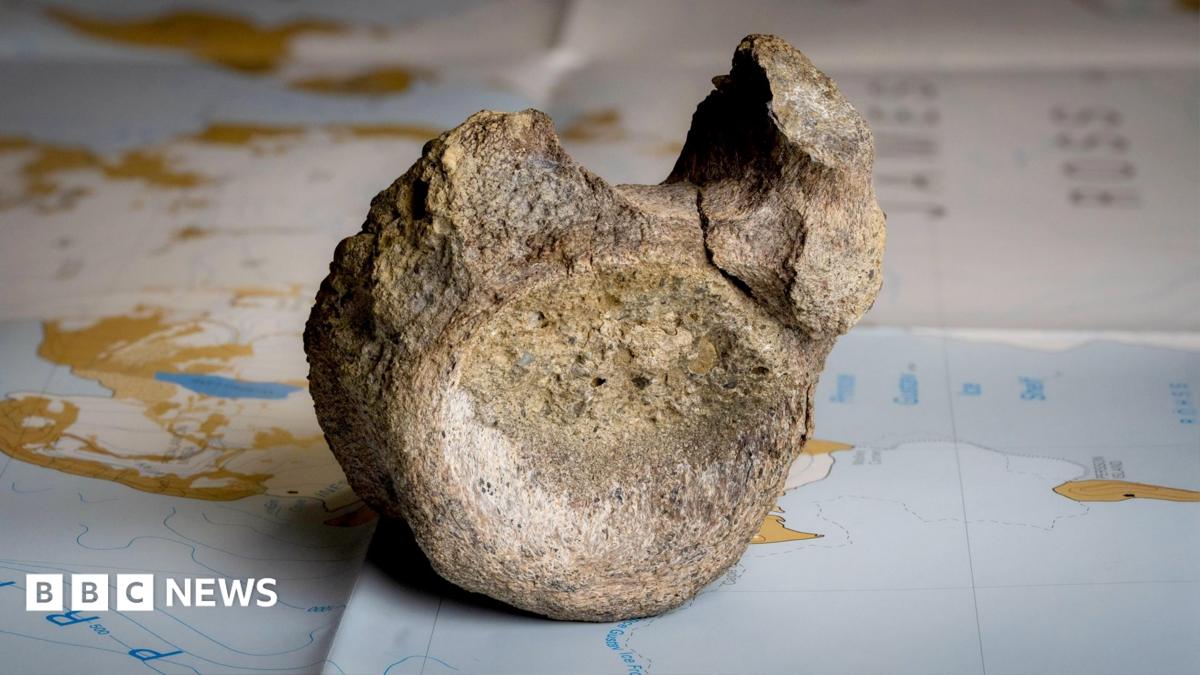
So, he called Professor Paul Barrett from the Natural History Museum. Professor Barrett held the bone and studied its shape. The fossil had a hollow on one side. It also had a bump on the other side.
These tail bones connect to make a special joint. This special joint only exists in these unique dinosaurs. The scientists confirmed the identity of this dinosaur tail bone.
This group of plant-eating dinosaurs contains the largest beasts on Earth. The biggest Titanosaurs grew to thirty-five meters long. They weighed about sixty tonnes and ate green plants.
However, this specific dinosaur was only seven meters long. This creature was probably a very young dinosaur. This dinosaur lived in Antarctica eighty-two million years ago.
At that time, Antarctica was not cold and icy. It was a warm land with green forests. The forests gave the Titanosaur plenty of food.
Today, thick ice covers the rocks in Antarctica. Paleontologists cannot find ancient fossils easily in this cold place. This first dinosaur bone tells us about the ancient environment. It is a very important discovery for science.
Take a position. Out loud, if you can.
Four ways to start. Pick one and try saying it before you scroll on.
Tip · Record yourself, use in a notebook, or practice with a language partner.
When was the fossil first found on James Ross Island?
Past Simple of Regular and Irregular Verbs
We use the past simple to describe completed actions in the past, such as visits, findings, and scientific discoveries.
“They found a small fossil during their expedition.”
What to know · A2
Try saying this aloud
Scenario: You are talking about a past research trip or discovery.
- 01“visited James Ross Island”
- 02“found a small fossil during”
- 03“a very important discovery for science”
Register tip · neutral
🔑Key Phrases
Describes a past visit to a specific geographic location.
They visited James Ross Island last year.
Recounts a discovery that occurred during a trip.
She found a small fossil during their expedition to the mountains.
Explains the significance of a discovery.
This is an important discovery for science.
Article Audio — Kokoro TTS
Antarctic Fossil Identified after Forty Years in Drawer
💬Discussion Questions
Open-ended questions to talk or write about — alone, with a partner, or in class.
- 1
Why do you think the original team did not recognize the dinosaur bone?
Opinion - 2
What are the differences between studying live animals and studying fossils?
Compare - 3
Would you like to participate in a scientific expedition to a cold place?
Personal - 4
How do museums help us understand the history of our planet?
Evaluate - 5
Do you think scientists will discover more new dinosaur species in Antarctica?
Predict - 6
Why do people feel excited when they find very old objects?
Opinion - 7
How does the climate of a place affect the animals that live there?
Compare - 8
What other scientific mysteries about the past would you like to solve?
Personal - 9
Is it important for governments to spend money on finding fossils?
Evaluate
Adapted from BBC Science · Read the original. LectoPress rewrites the facts as original graded-reader text for language learners.
Get stories at your level, every day
A2 · EN · delivered to your inbox · unsubscribe any time
Customize language, level & topics → full preferences