NASA Deploys Daring Robotic Rescue Mission for Swift Space Telescope

On Tuesday, NASA initiated a rescue mission for the Swift space telescope, which is currently falling and threating to burn in the atmosphere. The telescope, launched in 2004 to study gamma-ray bursts, has lost altitude due to solar activity expanding the atmosphere. A robotic rescue vehicle developed by the startup Katalyst will attempt to latch onto the device and tow it three hundred kilometers higher. Although scientists estimate the success rate at fifty-fifty, this mission could prove that refueling and upgrading old satellites in orbit is possible.
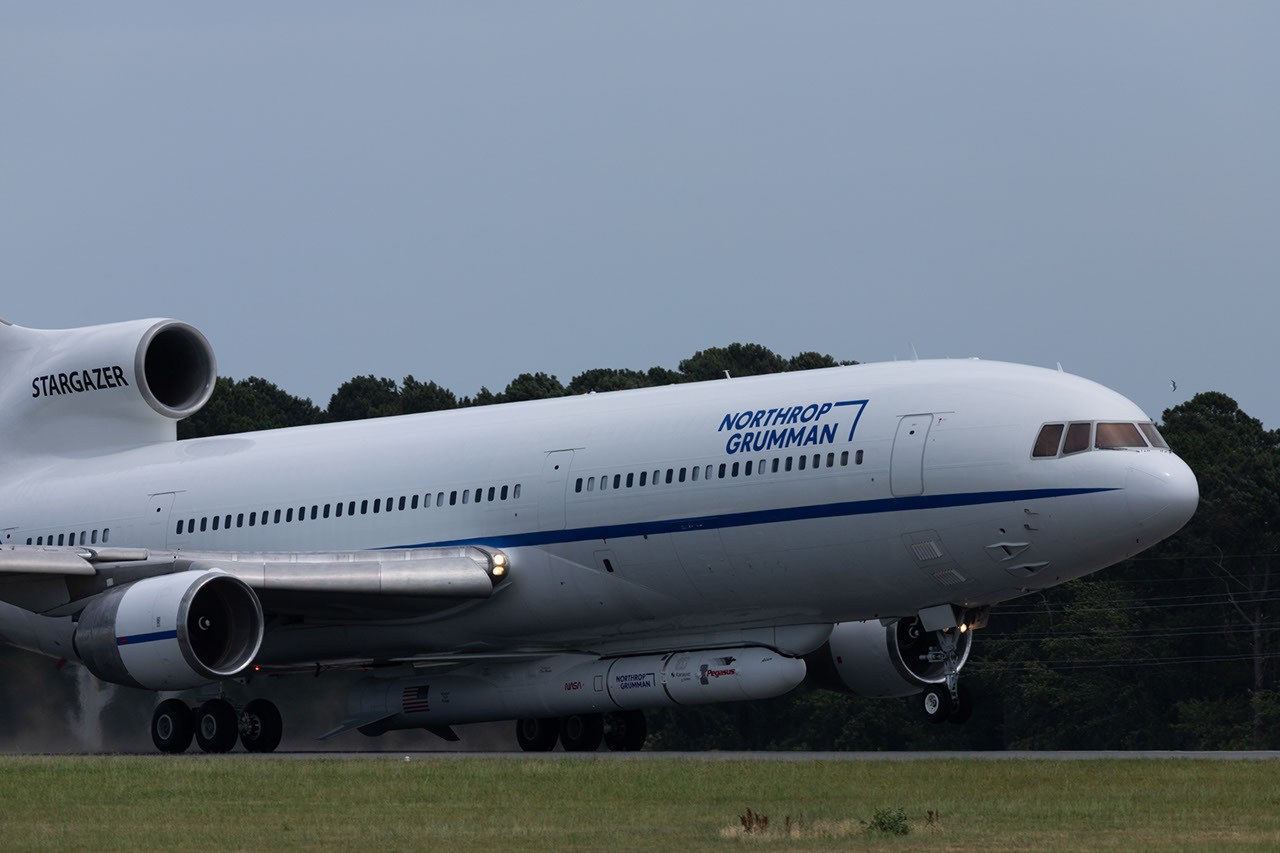
On Tuesday, NASA launched a daring rescue mission in a long-shot attempt to save the aging Swift space telescope from destruction. The Neil Gehrels Swift Observatory telescope, which was launched in 2004, was originally designed for a two-year mission. However, because the telescope is highly valued for studying brief gamma-ray bursts, scientists have continued using it. Unfortunately, since the telescope lacks its own propulsion, it has lost altitude and will soon burn up in the atmosphere. This descent is caused by solar activity, which expands the Earth's atmosphere and increases drag on low-altitude satellites. To prevent this fiery end, a robot named LINK was developed by the American startup company Katalyst. The robot was launched from a Pacific Ocean atoll at 1023 GMT aboard a Pegasus rocket, which was released from a jet plane. After reaching orbit, the robot must locate Swift in space and latch onto the back of the telescope using three movable arms. It will then attempt to tow the telescope 300 kilometers higher, which is a process expected to take a month. During an interview, Caputo laughed and remarked that everything about this spacecraft mission was crazy. Shawn Domagal-Goldman, who is the director of the astrophysics division at NASA, expressed gratitude for the rescue attempt. He noted that this operation involved a lot of firsts stacked on top of each other. The rescue mission is projected to cost 30 million dollars, whereas the original price of the telescope was 250 million dollars. Regina Caputo, a NASA astrophysicist, said that the probability of success was about 50-50. Nevertheless, NASA decided to fund the project because the telescope cannot be replaced immediately. If the mission succeeded, it would establish a new model for repairing, refueling, and upgrading satellites.
Take a position. Out loud, if you can.
Four ways to start. Pick one and try saying it before you scroll on.
Tip · Record yourself, use in a notebook, or practice with a language partner.
From where was the robot launched?
Passive Voice in the Past
We use the passive voice when the focus is on the action or the object receiving the action, rather than the agent performing it.
“To prevent this fiery end, a robot named LINK was developed by the American startup company Katalyst.”
What to know · B2
Try saying this aloud
Scenario: You are presenting a proposal to upgrade office computers instead of buying new ones.
- 01“It would establish a new model.”
- 02“The probability of success is high.”
- 03“Nevertheless, we decided to fund the project.”
Register tip · formal
🔑Key Phrases
A complex introductory sentence establishing background and purpose.
In a desperate bid, the government signed a treaty to save the endangered forests from destruction.
Uses passive voice followed by a non-defining relative clause.
This noise is created by the wind, which blows through the valley and shakes the old windows.
Uses a passive construction with an introductory purpose clause.
To avoid further delay, a new plan was proposed by the manager.
Employs an embedded relative clause to define a noun phrase.
The company decided to close the factory, which was a decision opposed by the workers.
Uses the second conditional to discuss a hypothetical situation in the future.
If the project failed, it would cost the company millions of dollars.
Article Audio — Kokoro TTS
NASA Deploys Daring Robotic Rescue Mission for Swift Space Telescope
💬Discussion Questions
Open-ended questions to talk or write about — alone, with a partner, or in class.
- 1
What are the ethical implications of commercializing space services, such as satellite refueling and repair, by private startups?
Opinion - 2
Compare the environmental impact of rocket launches on Earth's atmosphere with the benefits of the satellites they put into orbit.
Compare - 3
What long-term consequences might we face if the international community fails to regulate orbital space debris?
Predict - 4
How would you assess the value of astrophysical research compared to direct environmental protection projects on Earth?
Evaluate - 5
In what ways has satellite technology personally affected your daily life and your awareness of global environmental issues?
Personal - 6
Should space agencies prioritize cost-effective robotic missions over high-risk, expensive human exploration? Why or why not?
Evaluate - 7
How might successful orbital maintenance missions change the economic model of the aerospace and telecommunication industries?
Predict - 8
Contrast the public perception of space exploration during the early space race with the modern focus on commercial sustainability.
Compare
Adapted from Phys.org · Read the original. LectoPress rewrites the facts as original graded-reader text for language learners.
Get stories at your level, every day
B2 · EN · delivered to your inbox · unsubscribe any time
Customize language, level & topics → full preferences