NASA Robot Dispatched to Rescue Swift Observatory

NASA launched a robot on Tuesday to save the Swift space telescope, which scientists launched in 2004. The telescope is falling toward Earth because solar cycles expand the atmosphere and create drag. The rescue robot, built by the startup Katalyst, will latch onto Swift with three arms. It will tow the telescope 300 kilometers higher. This mission has a 50-50 chance of success, but it could help us repair other satellites in the future.
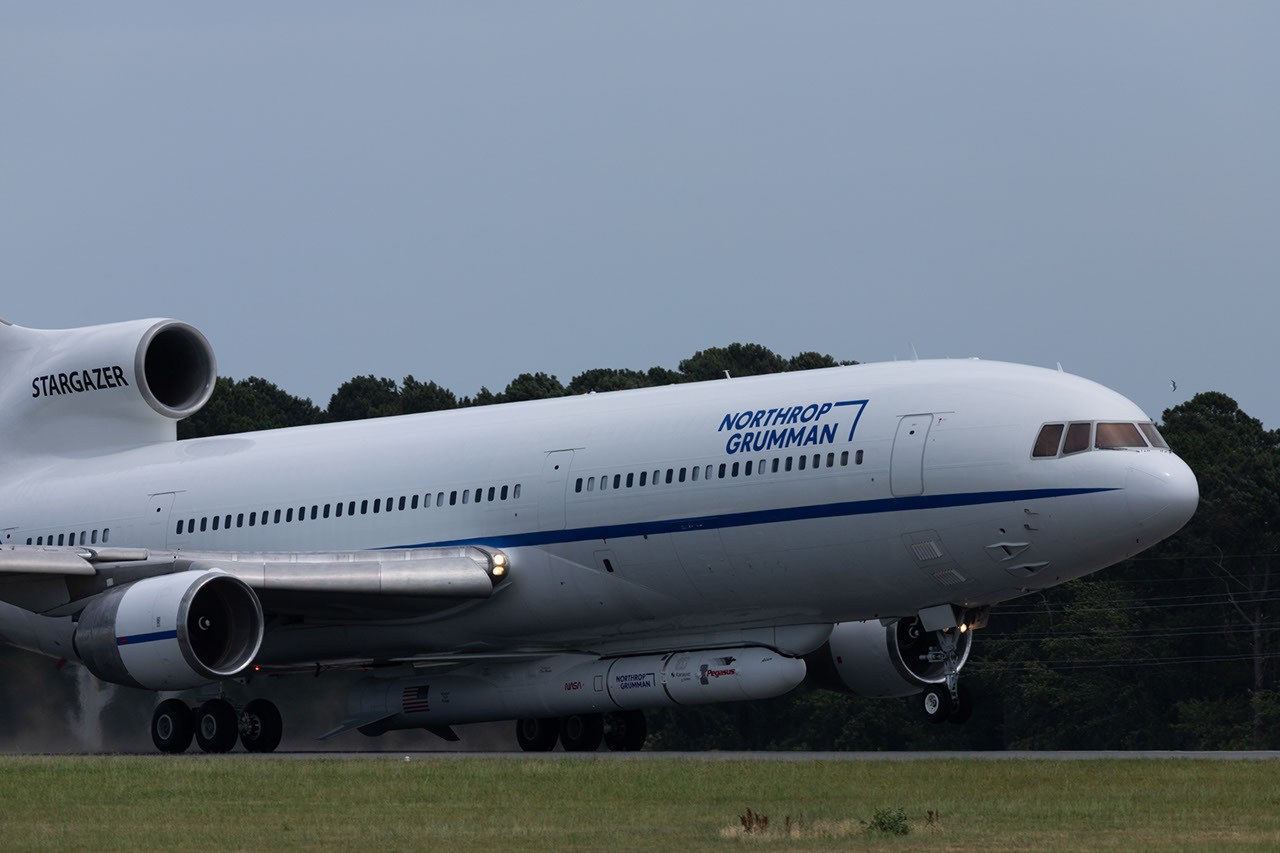
On Tuesday, NASA launched a robot in order to rescue the aging Swift space telescope from burning. NASA launched the Neil Gehrels Swift Observatory telescope in 2004, and scientists have used it since then. Although they originally designed it for a two-year mission, the device is still operating. The telescope is very important because it detects gamma-ray bursts, which are the most energetic explosions in space. Swift is currently in low Earth orbit at an altitude of approximately 600 kilometers. However, the telescope does not have its own motor, and it has started to lose altitude. Sun cycles expand the atmosphere of the Earth, which creates drag on the telescope. As a result, the spacecraft is falling and it might burn up without a rescue. To prevent this, the U.S. startup company Katalyst has built a robot called LINK. On Tuesday at 1023 GMT, a jet released a small Pegasus rocket, which carried the robot into space. After the robot arrives near the telescope, it must search for the device in space. The robot will use three movable arms to latch onto the back of the telescope. It will then tow Swift 300 kilometers higher, which will keep it in a safe orbit. The towing process will take at least a month, and the mission may last into the autumn. This rescue mission will cost 30 million dollars, whereas the original telescope cost 250 million dollars. NASA astrophysicist Regina Caputo said that the team has a 50-50 chance of success. However, the team has decided to try this because they want to save this special telescope. If this mission succeeds, it will show how we can repair, upgrade, and refuel other satellites in space.
Take a position. Out loud, if you can.
Four ways to start. Pick one and try saying it before you scroll on.
Tip · Record yourself, use in a notebook, or practice with a language partner.
What causes the drag that is making the telescope fall?
Present Perfect for Unspecified Time
We use the present perfect to describe actions that started in the past and continue to the present, or have relevance now.
“To prevent this, the U.S. startup company Katalyst has built a robot called LINK.”
What to know · B1
Try saying this aloud
Scenario: You are discussing a project that might fail but is worth trying anyway.
- 01“We have a fifty-fifty chance of success.”
- 02“It is a risk worth taking.”
- 03“If this succeeds, it will show how we can improve.”
Register tip · neutral
🔑Key Phrases
Contrasts a specific past event (past simple) with an ongoing action (present perfect).
She moved to London in 2010, and she has lived there since then.
Introduces contrast using the subordinating conjunction 'although'.
Although they started the business last year, the company is already profitable.
Describes future action and intent using a phrasal verb.
She will use a key to lock up the office.
Expresses a real future possibility conditional on a present action.
If the plan works, it will change how we build cars.
Article Audio — Kokoro TTS
NASA Robot Dispatched to Rescue Swift Observatory
💬Discussion Questions
Open-ended questions to talk or write about — alone, with a partner, or in class.
- 1
Some people argue that space exploration is a waste of resources that could be used to solve environmental problems on Earth. What is your view?
Opinion - 2
How does the challenge of managing space debris compare to managing plastic pollution in our oceans?
Compare - 3
If the mission to save Swift fails, how might it affect the scientific community's understanding of the universe?
Predict - 4
Have you ever tried to repair an old electronic device instead of buying a new one? How did it go?
Personal - 5
To what extent should startup companies be allowed to operate and launch rockets in space?
Evaluate - 6
How do you think space weather, like solar cycles, impact our global communication systems on Earth?
Predict - 7
What are the environmental advantages of repairing existing satellites compared to launching new ones?
Compare - 8
In your opinion, who should be held responsible for cleaning up defunct satellites in orbit?
Evaluate
Adapted from Phys.org · Read the original. LectoPress rewrites the facts as original graded-reader text for language learners.
Get stories at your level, every day
B1 · EN · delivered to your inbox · unsubscribe any time
Customize language, level & topics → full preferences